- English
- Español
- Português
- русский
- Français
- 日本語
- Deutsch
- tiếng Việt
- Italiano
- Nederlands
- ภาษาไทย
- Polski
- 한국어
- Svenska
- magyar
- Malay
- বাংলা ভাষার
- Dansk
- Suomi
- हिन्दी
- Pilipino
- Türkçe
- Gaeilge
- العربية
- Indonesia
- Norsk
- تمل
- český
- ελληνικά
- український
- Javanese
- فارسی
- தமிழ்
- తెలుగు
- नेपाली
- Burmese
- български
- ລາວ
- Latine
- Қазақша
- Euskal
- Azərbaycan
- Slovenský jazyk
- Македонски
- Lietuvos
- Eesti Keel
- Română
- Slovenski
- मराठी
- Srpski језик

Aluminum die casting design guide
Aluminum Die Casting Design Guide: Optimizing for Performance and Production
This aluminum die casting design guide provides essential principles for creating high-quality, manufacturable, and cost-effective aluminum alloy components. Aluminum casting is a highly efficient process for producing complex, high-volume metal parts with excellent dimensional accuracy and smooth surface finishes. By following proven design strategies, you can avoid common pitfalls and leverage the full potential of die casting. For foundational knowledge, our resource on Aluminum casting explains the core process. To delve deeper into practical application, explore our aluminum casting tips for expert recommendations on material selection and tolerances. Whether you are a seasoned engineer or a hobbyist starting with an aluminum casting kit, understanding design fundamentals is crucial for success.
Effective design for <产品名字> begins with strategic planning around key parameters. Wall thickness uniformity is paramount; maintaining consistent thickness promotes even metal flow, solidification, and reduces defects like warping or porosity. Generous fillets and radii at corners and intersections improve structural integrity and enhance metal flow. Draft angles are non-negotiable for part ejection; a minimum of 1 to 3 degrees per side is standard, depending on the surface depth and texture. Ribs and bosses should be used to add strength without increasing wall thickness, but their design must follow specific ratios relative to the nominal wall. Properly designed gating and overflow systems are critical for directing molten metal into the die cavity while venting air and gases. Below are key material and process specifications for a typical aluminum die casting project:
Common Aluminum Alloys for Die Casting:
- A380: Excellent fluidity, good mechanical properties, and corrosion resistance. Most widely used.
- A383 (ADC12): Good dimensional stability and resistance to hot cracking.
- A360: Superior corrosion resistance and pressure tightness.
- A413 (ADC6): Excellent pressure tightness and ductility.
| Design Parameter | Recommended Value / Guideline | Purpose & Benefit |
|---|---|---|
| Nominal Wall Thickness | 0.9 mm - 4.0 mm (0.035" - 0.157") | Ensures proper fill and solidification; minimizes weight and cost. |
| Draft Angle (External/Internal) | 1°-2° / 2°-3° per side (minimum) | Facilitates part ejection, prevents drag marks and die damage. |
| Fillet Radius (Corners) | Minimum 0.5 mm (0.020"); ideally equal to wall thickness | Reduces stress concentration, improves strength and metal flow. |
| Rib Thickness | 50% - 80% of adjacent wall thickness | Adds stiffness without creating sink marks or porosity. |
| Boss Base Radius | Minimum 0.25 mm (0.010") | Prevents cracking at the base during cooling and service. |
| Parting Line Tolerance | ±0.1 mm to ±0.25 mm (±0.004" to ±0.010") | Defines achievable dimensional accuracy across the die parting. |
| Surface Finish (As-Cast) | 1.6 - 6.3 μm (63 - 250 μin) Ra | Standard finish from die surfaces; can be improved with polishing. |
Designing for manufacturability also involves considering secondary operations. Identify areas for potential machining, such as threads, precise bores, or sealing surfaces, and provide adequate stock material. Strategically place ejector pin marks on non-cosmetic surfaces. Incorporate logos and part numbers as raised or recessed features directly into the die design to avoid additional processing. Minimizing undercuts is essential for a simple, cost-effective die; if necessary, discuss sliding core options with your die caster early in the design phase. By integrating these parameters and guidelines from the initial concept, you ensure your <产品名字> is optimized for both superior performance and streamlined, economical production.
Related Products



Hot Products

Hot Forging
Youlin® Hot forging is known to produce some of the strongest manufactured parts and components compared to other metal manufacturing processes. We produce hot forging parts and components from a few grams to more than a few hundred kilograms. For hot forging parts with special surface finish requirements, we provide a broad range of secondary operation including machining, surface finishing, etc.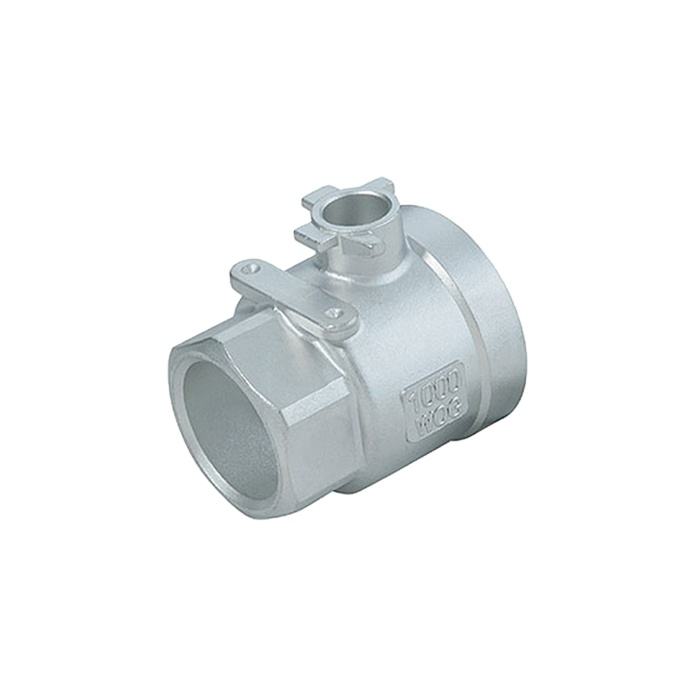
Stainless Steel Lost Wax Investment Casting
At Youlin, we offer high quality, custom precision Youlin® stainless steel lost wax investment casting. We start with a custom design for your project, accounting for even the smallest features and tightest tolerances, and build stamping dies in-house. We will ensure that your part will be manufactured to your exact specifications and to the highest quality standards.
Forged Motorcycle Aluminum Bottom Triple Clamp
Ningbo Youlin Trading Co., Ltd. is a professional forged motorcycle aluminum bottom triple clamp manufacturer and supplier in China. All our industries served are agricultural machinery, automotive industry, construction machinery, lifting industry, oilfield industry, etc. Besides forging, we could also supply other value added services for finished products. We have produced forged motorcycle aluminum bottom triple clamp for many years, looking forward to reaching a long-term cooperative relationship with you.
Aluminium Alloy Sand Casting Parts
Ningbo Youlin Trading Co., Ltd. is a professional Aluminium Alloy Sand Casting Parts manufacturer and supplier in China. Youlin® Aluminium Alloy Sand Casting Parts are widely used create precise, high-quality parts using computer-controlled machines.. Almost every plastic item around you was manufactured using injection molding. This is because the technology can produce identical parts at very high volumes at a very low cost per part.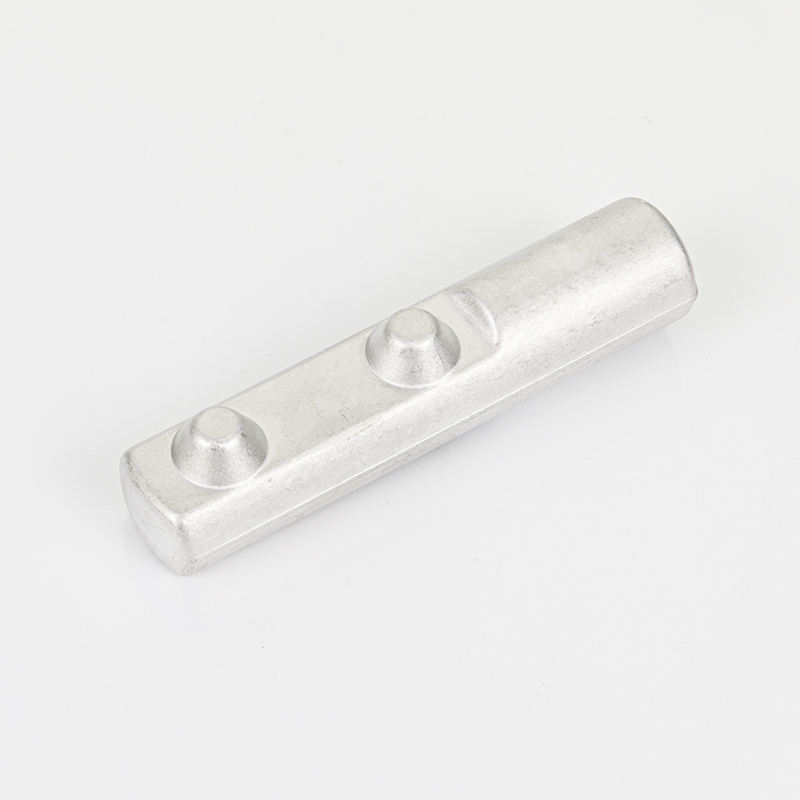
Aluminium Casting Forging Parts
Ningbo Youlin Trading Co., Ltd. is a large-scale Aluminium Casting Forging Parts manufacturer and supplier in China. We have been specialized in Customized CNC Machining Services of any complexity for the production of Aluminium Casting Forging Parts for many years. Our products have a good price advantage and cover most of the European and American markets. We look forward to becoming your long-term partner in China.
Forged Brass Multiple Valve Components
Youlin is a premier provider of Forged Brass Multiple Valve Components. One of our core service offerings is Youlin® Forged Brass Multiple Valve Components . Our specialty focus on progressive metal stampings utilizes a combination of high-speed presses and progressive dies in combination with 4 slide & multi-slide presses to provide the most cost effective solution for high volume manufacturing. We design & build specialized manufacturing cells utilizing automation when appropriate.
- Related Blog
- Reviews