- English
- Español
- Português
- русский
- Français
- 日本語
- Deutsch
- tiếng Việt
- Italiano
- Nederlands
- ภาษาไทย
- Polski
- 한국어
- Svenska
- magyar
- Malay
- বাংলা ভাষার
- Dansk
- Suomi
- हिन्दी
- Pilipino
- Türkçe
- Gaeilge
- العربية
- Indonesia
- Norsk
- تمل
- český
- ελληνικά
- український
- Javanese
- فارسی
- தமிழ்
- తెలుగు
- नेपाली
- Burmese
- български
- ລາວ
- Latine
- Қазақша
- Euskal
- Azərbaycan
- Slovenský jazyk
- Македонски
- Lietuvos
- Eesti Keel
- Română
- Slovenski
- मराठी
- Srpski језик

aluminum casting tips
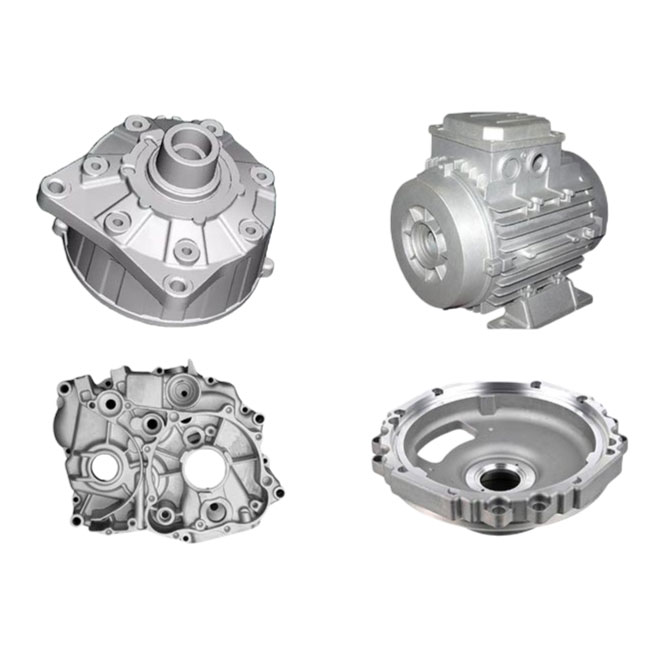
Success in any manufacturing project begins with a solid foundation, and when it comes to aluminum components, that foundation is built on expert design and reliable processes. A comprehensive Aluminum die casting design guide is an indispensable tool, outlining critical principles for wall thickness, draft angles, and fillets to ensure manufacturability and part integrity. The choice of process is equally vital; for high-volume, complex, and dimensionally precise parts, Aluminum casting via high-pressure die casting is often the optimal solution. For prototyping, small batches, or educational purposes, a well-equipped aluminum casting kit can provide invaluable hands-on insight into metal flow and solidification behavior, informing larger production decisions.
To achieve consistent quality in your aluminum casting projects, attention to detail at every stage is non-negotiable. For projects utilizing our premium <产品名字> alloy, meticulous process control is paramount. The following parameters and guidelines are critical for optimal results. First, alloy selection and preparation are foundational. Utilize high-purity aluminum with precise silicon, copper, and magnesium compositions to meet specific strength, corrosion resistance, and fluidity requirements. Always degas the molten metal to eliminate hydrogen porosity, a common defect. Second, temperature management is a decisive factor.
- Pouring Temperature: Typically between 1150°F - 1350°F (621°C - 732°C). Too low causes misruns; too high promotes shrinkage and gas absorption.
- Mold Temperature (Die Casting): Maintain between 300°F - 500°F (149°C - 260°C) for proper fill and solidification.
- Solidification Rate: Controlled cooling is essential for fine grain structure and mechanical properties.
Third, the design and condition of the tooling directly impact the final part. Proper venting and overflow design are crucial to evacuate air and trap impurities. Consistent lubrication with high-quality die release agents prevents sticking and improves surface finish. Finally, post-casting operations must be executed with care. Our <产品名字> responds well to standard secondary processes when parameters are adhered to.
| Process Parameter | Recommended Range for <产品名字> | Impact on Part Quality |
|---|---|---|
| Injection Pressure (Die Casting) | 10,000 - 20,000 psi | Higher pressure yields better detail replication and denser structure. |
| Plunger Velocity (Die Casting) | 100 - 300 in/sec | Controls turbulence; optimal speed ensures complete cavity fill before solidification. |
| Heat Treatment (T6 Temper) | Solution: ~980°F, Age: ~350°F | Significantly enhances tensile strength and hardness for structural applications. |
| Machining Allowance | 0.020 - 0.060 inches | Provides material for finishing critical dimensions and achieving tight tolerances. |
| Surface Finish (As-Cast) | 63 - 125 microinches Ra | Determined by mold finish and process parameters; can be improved via polishing or blasting. |
Regular maintenance of equipment and rigorous inspection of raw materials further safeguard the integrity of the casting process. Implementing Statistical Process Control (SPC) for monitoring key variables like metal temperature and cycle time will lead to remarkable consistency and yield improvement over time.
Related Products



Hot Products

Aluminum Alloy Motorcycle Parts
Ningbo Youlin Trading Co., Ltd. is a professional aluminum alloy motorcycle parts manufacturer and supplier in China. From prototype through production, our fully equipped and certified engineering and quality control department will ensure that your product is made to exact specifications. Our customers range from industry giants to engineering students and hobbyists, all of whom seek the highest quality laser cut parts at the right price. We have produced aluminum alloy motorcycle parts for over many years, looking forward to reaching a long-term cooperative relationship with you.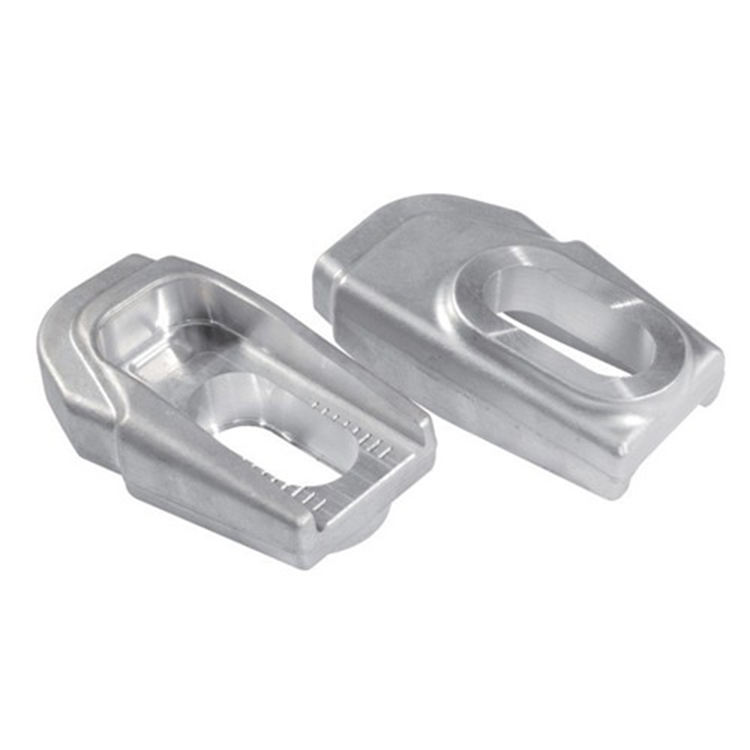
CNC Machining Aluminum Alloy Forging
As the professional CNC machining aluminum alloy forging manufacture, we would like to provide you CNC machining aluminum alloy forging. And we will offer you the best after-sale service and timely delivery. We hope to establish friendly cooperative relationship with your company with high quality products, reasonable price, considerate service and create a better future hand in hand.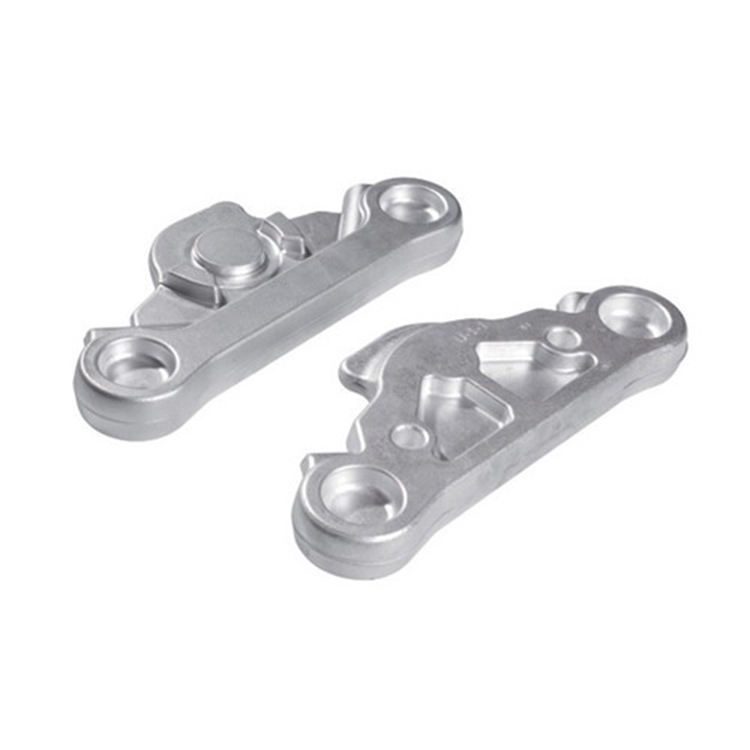
Aluminum Alloy Forged Triple Clamp
Ningbo Youlin Trading Co., Ltd. is a professional Aluminum Alloy Forged Triple Clamp manufacturer and supplier in China. All our industries served are agricultural machinery, automotive industry, construction machinery, lifting industry, oilfield industry, etc. Besides forging, we could also supply other value added services for finished products. We have produced Aluminum Alloy Forged Triple Clamp for many years, looking forward to reaching a long-term cooperative relationship with you.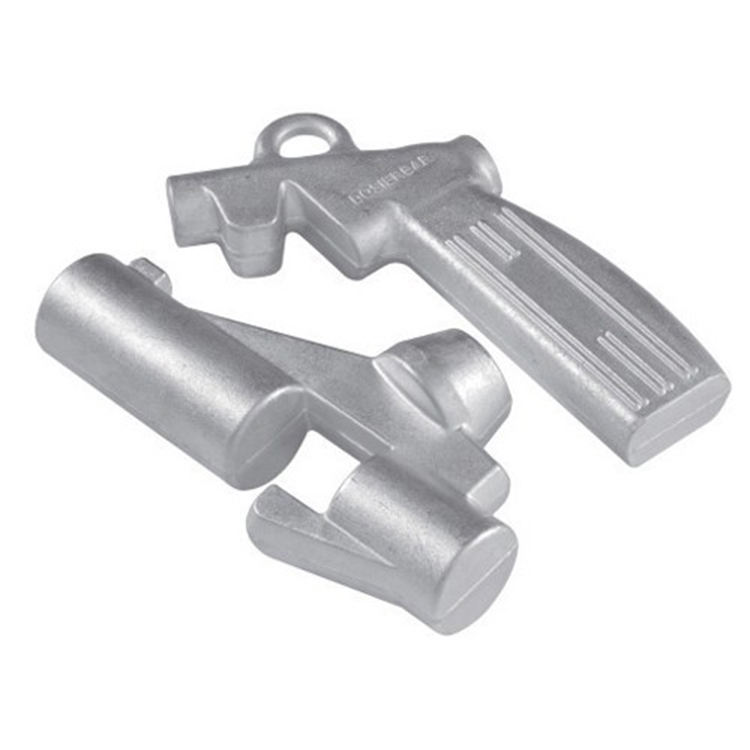
Forged Aluminum Welding Machine Parts
Ningbo Youlin Trading Co., Ltd. is a professional Forged Aluminum Welding Machine Parts manufacturer and supplier in China. Our main projects including All-In-One Solutions for Precision CNC Machining, CNC turning, CNC Milling, Metal Stamping, Deep Drawing, Forging, Casting, Investment Casting, Die Casting, Aluminum Extrusion, Plastic Injection, Tube Laser Cutting and Sheet Metal fabrication. It’s in a variety of industries for more than decade’s year. Looking forward to reaching a long-term cooperative relationship with you.
Fabrication Plastic Precision Processing
Ningbo Youlin Trading Co., Ltd. is a large-scale Fabrication Plastic Precision Processing manufacturer and supplier in China. We have been specialized in Customized CNC Machining Services of any complexity for the production of Fabrication Plastic Precision Processing for many years. Our products have a good price advantage and cover most of the European and American markets. We look forward to becoming your long-term partner in China.
Plastic Injection Molding Service
China Factoy Customized Youlin® Plastic Injection Molding Service Suppliers.We provide Customized CNC Machining Services of any complexity for the production of Plastic Injection Molding Service. We have many experienced engineers that we can gives you a CNC machining quote within few times. Requesting a quotation for CNC machining is easy: just send me your files with drawings to my email, 3D-models or sketches in any popular format. We inspect the parts and guarantee their quality.
- Related Blog
- Reviews