- English
- Español
- Português
- русский
- Français
- 日本語
- Deutsch
- tiếng Việt
- Italiano
- Nederlands
- ภาษาไทย
- Polski
- 한국어
- Svenska
- magyar
- Malay
- বাংলা ভাষার
- Dansk
- Suomi
- हिन्दी
- Pilipino
- Türkçe
- Gaeilge
- العربية
- Indonesia
- Norsk
- تمل
- český
- ελληνικά
- український
- Javanese
- فارسی
- தமிழ்
- తెలుగు
- नेपाली
- Burmese
- български
- ລາວ
- Latine
- Қазақша
- Euskal
- Azərbaycan
- Slovenský jazyk
- Македонски
- Lietuvos
- Eesti Keel
- Română
- Slovenski
- मराठी
- Srpski језик

Die casting process
At the heart of manufacturing precision metal components lies the die casting process. This high-pressure technique is fundamental for producing high-volume, complex, and dimensionally stable parts with excellent surface finishes. It involves forcing molten metal – typically aluminum, magnesium, or zinc alloys – into a reusable steel mold cavity, known as a die casting mold. The mold is engineered with precision to define the part's shape, and the entire operation is a cornerstone of modern metal die casting production. The process is highly repeatable and efficient, making it ideal for industries ranging from automotive and aerospace to consumer electronics and power tools. By utilizing advanced die casting molds, manufacturers achieve thin walls, intricate details, and tight tolerances that are difficult or impossible with other methods.
The <产品名字> exemplifies the pinnacle of modern die casting technology, engineered for maximum performance and reliability in demanding production environments. It incorporates a suite of advanced features designed to enhance productivity, part quality, and operational safety. Below are the detailed technical specifications that define its capabilities:
- High-Pressure Injection System: Delivers precise and rapid filling of the mold cavity, ensuring consistent part density and minimizing porosity.
- Precision Temperature Control: Integrated cooling channels and heating elements maintain optimal mold and metal temperatures for superior surface finish and dimensional accuracy.
- Automated Ladling & Pouring: Ensures exact shot volume and repeatability, reducing material waste and improving cycle time consistency.
- Robust Clamping Unit: Provides exceptional locking force to withstand high injection pressures, preventing mold flash and ensuring part integrity.
- Programmable Logic Controller (PLC): A user-friendly interface for complete control over all process parameters, including pressure, speed, and temperature profiles.
- Real-Time Monitoring & Data Logging: Tracks key performance indicators for quality assurance and process optimization.
| Parameter | Specification | Benefit |
|---|---|---|
| Clamping Force | 800 - 4000 Tons | Accommodates a wide range of part sizes and complexities. |
| Shot Capacity | 2.5 - 25 lbs (Aluminum) | Versatile for small to medium-sized components. |
| Injection Pressure | Up to 15,000 psi | Produces dense, high-integrity castings with fine detail. |
| Cycle Time | 15 - 60 seconds (typical) | Enables high-volume production with consistent throughput. |
| Metal Alloys | Aluminum (A380, ADC12), Magnesium, Zinc | Offers material flexibility for various application needs. |
| Platen Size | Customizable | Allows for the integration of multi-cavity or family molds. |
Furthermore, the <产品名字> is built with energy efficiency in mind, featuring regenerative hydraulics and servo-driven systems that significantly reduce power consumption. Its robust construction ensures long-term durability and minimal downtime, while comprehensive safety interlocks and guarding protect operators. The machine's modular design also allows for future upgrades and integration with automation systems for unmanned production cells.
Related Products



Hot Products

Precision CNC Machining
OEM Youlin® Precision CNC Machining made in China. Youlin is dedicated to producing top quality Precision CNC Machining parts and products that meet or exceed our customers’ expectations. With in-house engineering assistance, a full range of services, and the capabilities to provide prototypes and short- and long-run production, we are your one-stop shop for Precision CNC Machining.
Stainless Steel CNC Machining
OEM Youlin® Stainless Steel CNC Machining Factory. Youlin is one of the reliable precision Stainless Steel CNC Machining parts manufacturer in China. Our advanced Stainless Steel CNC Machining center provide you all-around care services that our experienced project engineers and machinists will analyze your project carefully and process it with the most efficient process of machined to meet your design specification, while optimize your time and cost.
Progressive Die Stamping
Youlin is a premier provider of metal stamping, laser cutting, and metal fabrication solutions. One of our core service offerings is Youlin® progressive die stamping. Our specialty focus on progressive metal stampings utilizes a combination of high-speed presses and progressive dies in combination with 4 slide & multi-slide presses to provide the most cost effective solution for high volume manufacturing. We design & build specialized manufacturing cells utilizing automation when appropriate.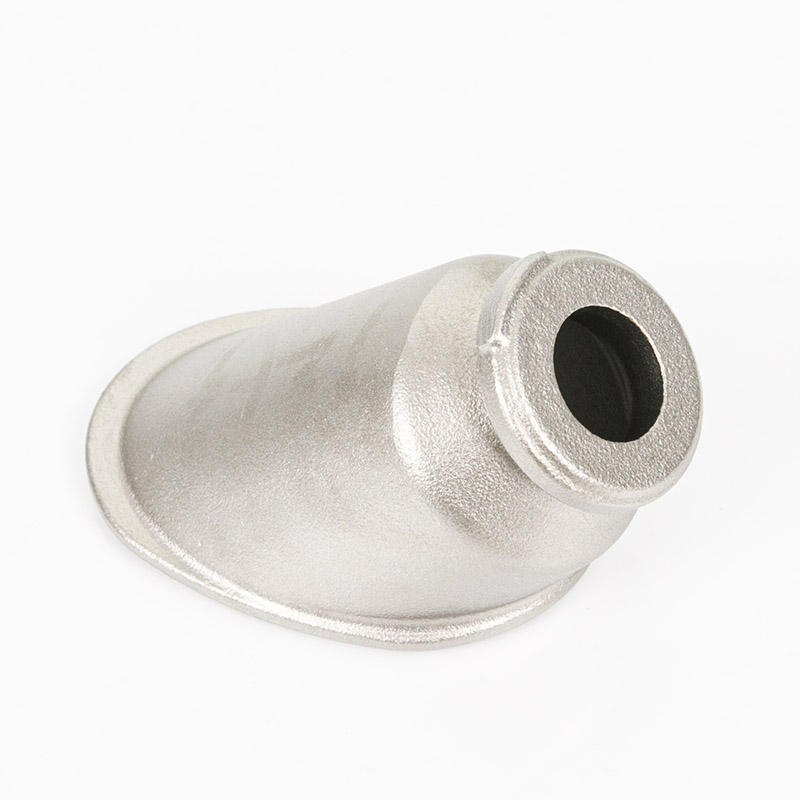
CNC Machining Aluminum Milling Service Parts
Customized Youlin® CNC machining aluminum milling service parts Suppliers. As lightweight metals are widely used, CNC machining aluminum milling service parts are becoming a choice of many industries. We focus on the manufacturing of non-standard precision aluminum parts with complex structures, and are committed to delivering highly accurate and consistent components to our clients. Our advanced equipment and skilled employees to ensure that our team maintains a strong competitive advantage. We have also been improving the Aluminum CNC Machining process to improve efficiency and quality, and continue to meet customer production needs.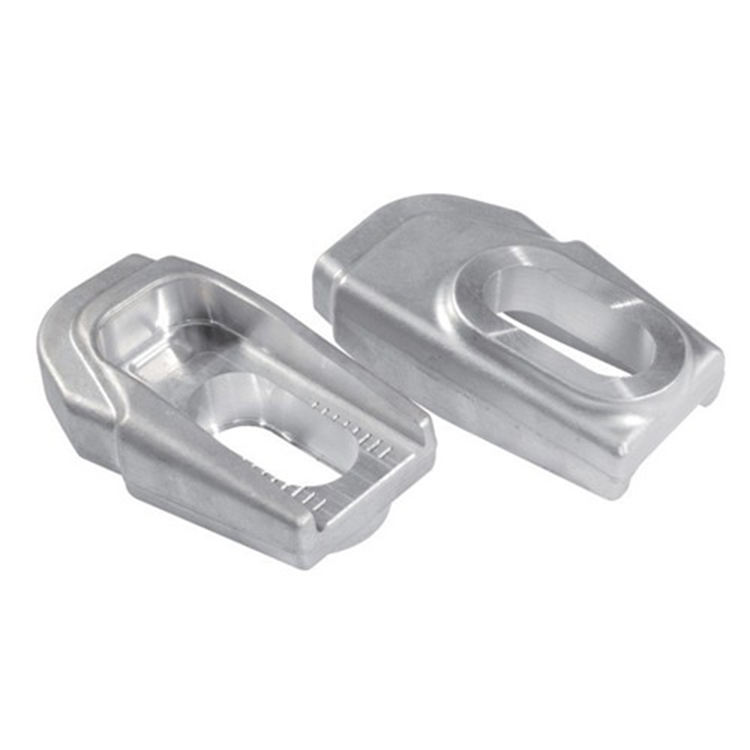
CNC Machining Aluminum Alloy Forging
As the professional CNC machining aluminum alloy forging manufacture, we would like to provide you CNC machining aluminum alloy forging. And we will offer you the best after-sale service and timely delivery. We hope to establish friendly cooperative relationship with your company with high quality products, reasonable price, considerate service and create a better future hand in hand.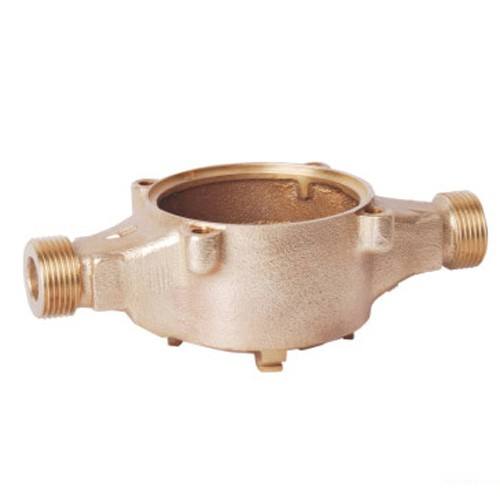
CNC Machined Parts Casting Brass Water Meter Body
China Youlin® CNC machined parts casting brass water meter body Suppliers. Youlin is a leading provider of high integrity CNC Lathe Machining services to a diverse mix of demanding industries. With an energetic staff of technically astute manufacturing professionals, we have the ability to handle jobs of any size or geometric complexity while meeting firm delivery commitments.
- Related Blog
- Reviews