- English
- Español
- Português
- русский
- Français
- 日本語
- Deutsch
- tiếng Việt
- Italiano
- Nederlands
- ภาษาไทย
- Polski
- 한국어
- Svenska
- magyar
- Malay
- বাংলা ভাষার
- Dansk
- Suomi
- हिन्दी
- Pilipino
- Türkçe
- Gaeilge
- العربية
- Indonesia
- Norsk
- تمل
- český
- ελληνικά
- український
- Javanese
- فارسی
- தமிழ்
- తెలుగు
- नेपाली
- Burmese
- български
- ລາວ
- Latine
- Қазақша
- Euskal
- Azərbaycan
- Slovenský jazyk
- Македонски
- Lietuvos
- Eesti Keel
- Română
- Slovenski
- मराठी
- Srpski језик

Hot Forged Parts
Hot forged parts represent the pinnacle of strength and reliability in metal component manufacturing. Utilizing the intense heat and pressure of the hot forging hydraulic press, this Hot Forging process refines the grain structure of metals, resulting in components with superior mechanical properties, such as high impact resistance and excellent fatigue strength. For applications requiring a precise balance between formability and strength, the Warm Forging technique offers an optimal solution. Our expertise extends to specialized materials, including high-performance hot forging aluminum alloys, which provide an exceptional strength-to-weight ratio ideal for demanding aerospace and automotive applications.
We meticulously engineer every Precision Hot-Forged Component to meet exacting specifications. Our production process begins with premium-grade metal billets, which are heated to precise temperatures to achieve optimal plasticity. The metal is then shaped under tremendous force within closed-die systems, ensuring dimensional accuracy and repeatability for high-volume production runs. This controlled deformation eliminates internal voids and porosity, creating a continuous grain flow that follows the contour of the part, thereby significantly enhancing its structural integrity and longevity compared to parts made by casting or machining.
Key Parameters & Specifications
- Material Grades: Carbon Steels, Alloy Steels, Stainless Steels, Aluminum Alloys, Titanium, Nickel-based Superalloys.
- Forging Temperature Range: 950°C - 1250°C for steel; 375°C - 475°C for aluminum.
- Tolerances: Standard machining allowances apply, with precision forging achieving near-net-shape dimensions.
- Post-Forging Processes: Trimming, shot blasting, heat treatment (annealing, quenching & tempering), surface finishing, and non-destructive testing.
- Quality Standards: Compliance with ISO 9001, ASTM, DIN, and customer-specific material certifications.
| Product Type | Typical Applications | Key Advantages |
|---|---|---|
| Forged Shafts & Axles | Powertrains, Heavy Machinery | High torsional strength, Excellent fatigue life |
| Forged Gears & Sprockets | Transmissions, Industrial Drives | Superior wear resistance, Dense grain structure |
| Forged Flanges & Fittings | Oil & Gas, High-Pressure Piping | Leak-proof integrity, Reliable under high stress |
| Forged Aluminum Components | Aerospace, Automotive Frames | Lightweight, High strength-to-weight ratio |
| Custom Forged Blanks | Tooling, Specialized Machinery | Optimized material utilization, Reduced machining time |
The production of hot forged parts involves several critical stages to ensure unmatched quality. After the initial forging operation, parts undergo controlled cooling to prevent stress buildup. Subsequent heat treatment processes, such as normalizing, quenching, and tempering, are tailored to the specific alloy to achieve the desired hardness, toughness, and microstructure. Advanced non-destructive testing methods, including ultrasonic testing and magnetic particle inspection, are employed to verify internal soundness and surface quality, guaranteeing that every component is free from defects and ready for critical service.
Related Products




Hot Products
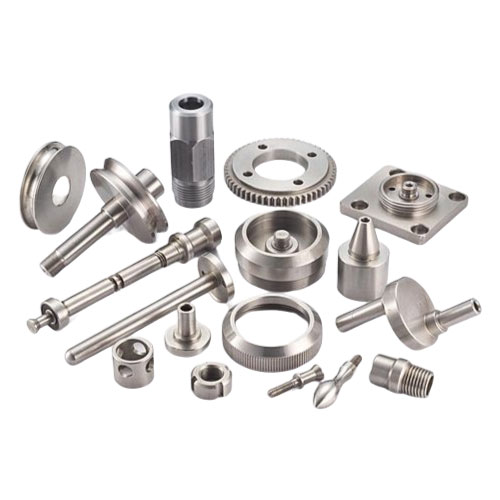
Metal CNC Milling
Youlin is a dependable Youlin® Metal CNC Milling supplier for an endless variety of milling needs. Our many years of trusted service and precise attention to detail ensures you get the parts and components you need that are to your specifications. When you need a partner that can deliver a technically advanced, precise solution that’s made for your custom Metal CNC Milling parts. Get the job done right with superior craftsmanship from Youlin.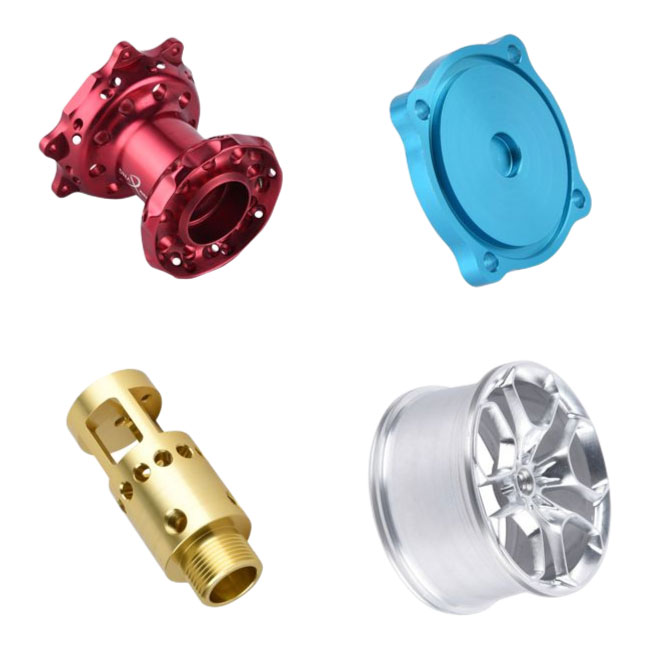
CNC Machining Parts
Youlin is a precision Youlin® CNC Machining Parts manufacturer. As a metal fabricator with more than decades of experience, Youlin offers expertise and reliable solutions for simple or complex CNC Machining Parts. Our team manufactures a wide range of intricate metal parts that require keen attention to details.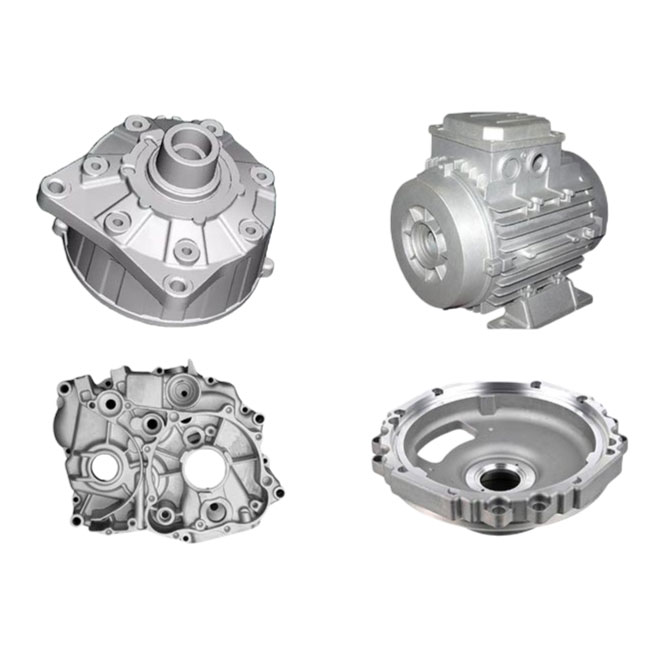
Aluminum Die Casting
OEM Youlin® Aluminum Die Casting Factory. Ningbo Youlin Company is an aluminum die casting manufacturer, which has the experience and knowledge to produce the highest-quality aluminum products for a wide range of applications. We use a high-pressure aluminum die casting process in which molten metal is injected under pressure into the machine’s steel mold or die to form products. High-pressure aluminum die casting is a relatively quick and inexpensive process. It generates products with accurate dimensions and smooth surfaces.
Precision Aluminum Forging and CNC Machining Parts
Ningbo Youlin Trading Co., Ltd. is a professional precision aluminum forging and CNC machining parts manufacturer and supplier in China. Youlin® Injection molding plastic parts are widely used today for both consumer products and engineering applications. Almost every plastic item around you was manufactured using injection molding. This is because the technology can produce identical parts at very high volumes at a very low cost per part.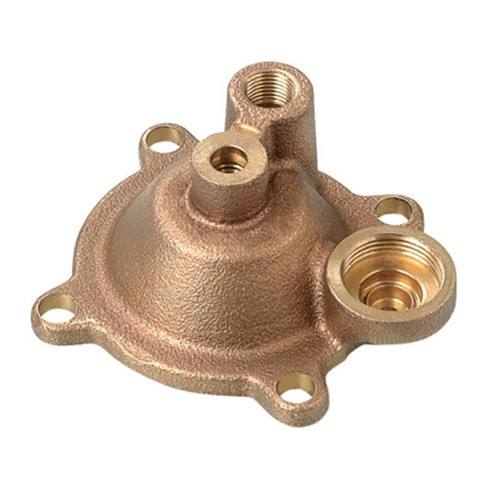
CNC Machining Brass Forged Body
As the professional CNC machining brass forged body manufacture, we would like to provide you CNC machining brass forged body. And we will offer you the best after-sale service and timely delivery. We hope to establish friendly cooperative relationship with your company with high quality products, reasonable price, considerate service and create a better future hand in hand.
Current Terminal Connector
Ningbo Youlin Trading Co., Ltd. is a professional Current Terminal Connector manufacturer and supplier in China. For more than 10 years, Youlin located in Ningbo, China, is the professional Forging company specialized in supplying our customers with high quality custom steel forging components. All our industries served are agricultural machinery, automotive industry, construction machinery, lifting industry, oilfield industry, etc. Besides forging, we could also supply other value added services for finished products.
- Related Blog
- Reviews