- English
- Español
- Português
- русский
- Français
- 日本語
- Deutsch
- tiếng Việt
- Italiano
- Nederlands
- ภาษาไทย
- Polski
- 한국어
- Svenska
- magyar
- Malay
- বাংলা ভাষার
- Dansk
- Suomi
- हिन्दी
- Pilipino
- Türkçe
- Gaeilge
- العربية
- Indonesia
- Norsk
- تمل
- český
- ελληνικά
- український
- Javanese
- فارسی
- தமிழ்
- తెలుగు
- नेपाली
- Burmese
- български
- ລາວ
- Latine
- Қазақша
- Euskal
- Azərbaycan
- Slovenský jazyk
- Македонски
- Lietuvos
- Eesti Keel
- Română
- Slovenski
- मराठी
- Srpski језик

Closed Die Forging
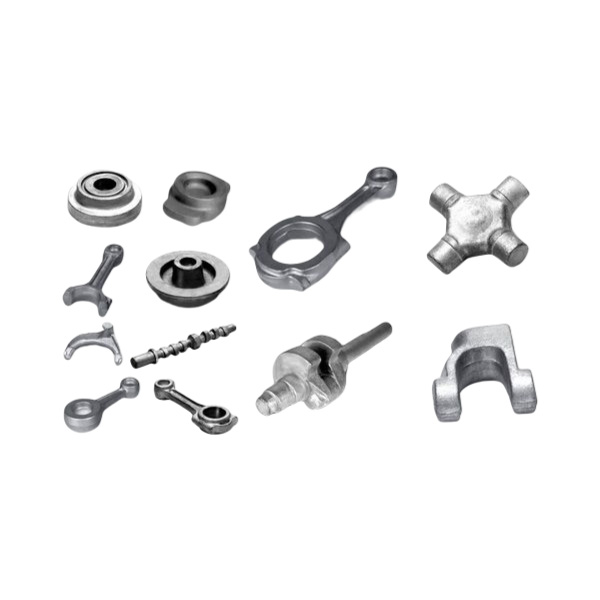
Closed die forging, also known as Impression Die Forging, is a highly precise and efficient metal forming process. It involves shaping heated metal billets between two or more dies that contain a pre-cut impression of the desired final part. Unlike Open Die Forging, which offers more flexibility for larger, simpler shapes, closed die forging is ideal for producing complex, high-strength components with exceptional dimensional accuracy and superior surface finish. This method is extensively used to manufacture critical parts such as forged steel flanges, gears, connecting rods, and aerospace components, where structural integrity and reliability are paramount. The process ensures refined grain flow, enhanced mechanical properties, and minimal material waste, making it a cornerstone of modern industrial manufacturing for demanding applications.
The <产品名字> process begins with a precisely engineered die set, crafted from high-grade tool steel to withstand extreme pressure and temperature. A metal billet, typically steel, aluminum, or titanium alloy, is heated to a specific forging temperature to increase its malleability. The heated billet is then placed into the lower die, and the upper die descends with tremendous force, causing the metal to flow and completely fill the die cavities. This high-pressure deformation results in a near-net-shape part that requires minimal secondary machining. Key advantages include the ability to produce intricate geometries, excellent repeatability for high-volume production, and significant improvement in the part's fatigue resistance and overall toughness compared to parts made by casting or machining from bar stock.
Related Products




Hot Products

CNC Milling Services
We offer Youlin® CNC Milling Services for any types of custom parts, whatever plastics or metals, simple or complex. With our precision 3-, 4- and 5-axis CNC milling centers, combined with other advanced capabilities and our experienced team, we can offer high-quality CNC parts as well as fast delivery. We guarantee your projects will be handled smoothly by our in-house CNC department and supplier network, which means your team can focus on bringing your product to market.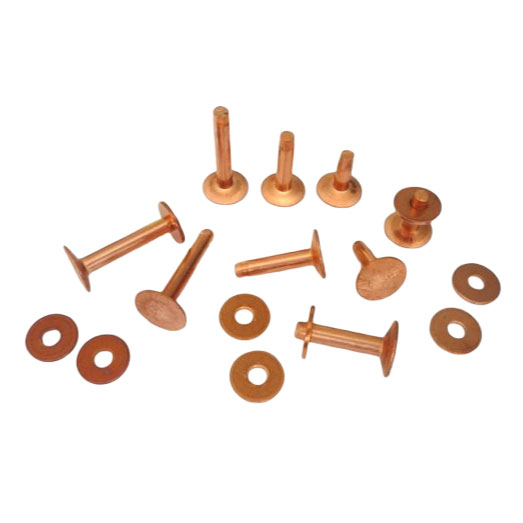
Cold Formed Copper Parts
China Customized Youlin® Cold Formed Copper Parts Manufacturers. We are experts in cold formed copper parts and can design in your required dimensions, tolerances and surface finishes. We can also plan for any additional secondary machining that might be required post-cold forging. Working with you and knowing exactly what results you require helps us design to your standards right from the beginning, instead of trying to find solutions afterward. This is our philosophy at Youlin and how we have been able to become an industry leader in cold formed copper parts.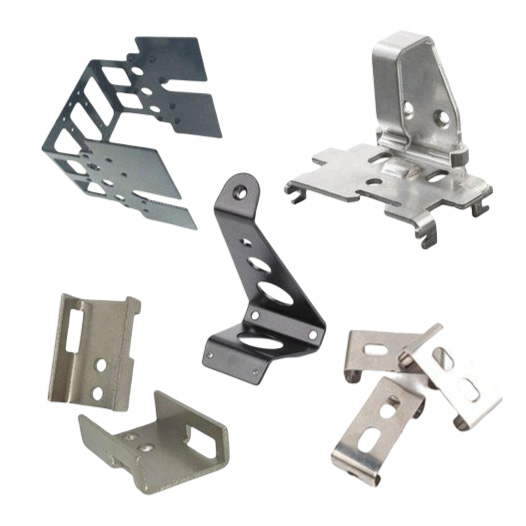
Sheet Metal Laser Cutting Service
We are experts in the field of Youlin® Sheet Metal Laser Cutting Service. Sheet metal laser cutting is one of metal profiling processes. It directs a high-powered laser through optics to cut materials for industrial applications. Laser cutting is both more precise and less energy-consuming than plasma cutting, but has an upper threshold on the thickness of the material being cut. Youlin offers both fiber and CO2 lasers that can cut many materials including mild steel, stainless steel, aluminum, copper, brass, and exotic alloys. CO2 (carbon dioxide) laser excels at cutting, engraving, and boring metals, while fiber laser is a good option for thicker materials.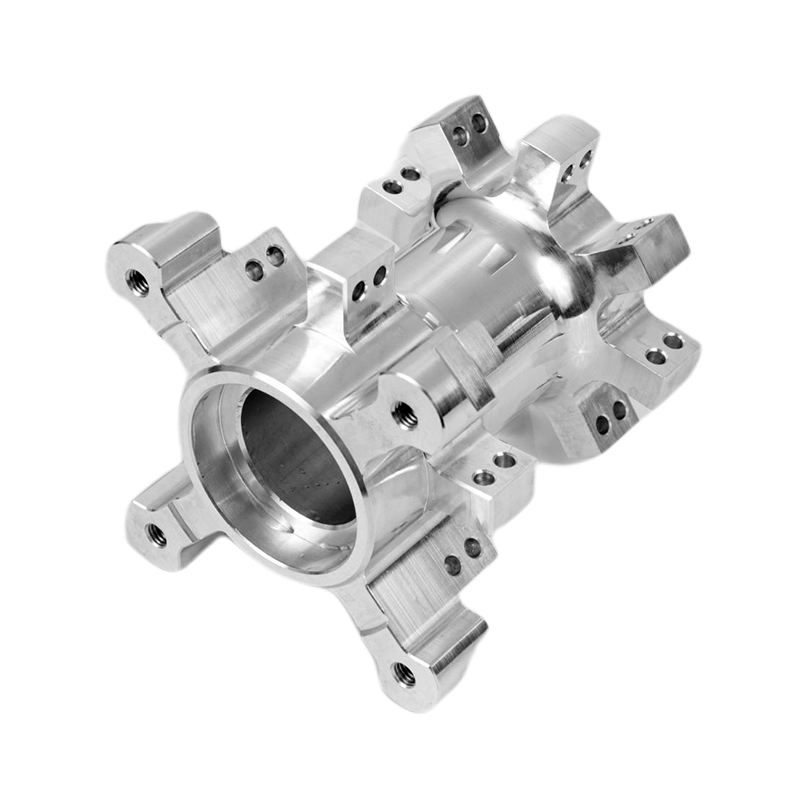
High Precision Aluminum CNC Machining Fabrication Anodizing Parts
Ningbo Youlin Trading Co., Ltd. is a professional high precision aluminum CNC machining fabrication anodizing parts manufacturer and supplier in China. Our main projects including All-In-One Solutions for Precision CNC Machining, CNC turning, CNC Milling, Metal Stamping, Deep Drawing, Forging, Casting, Investment Casting, Die Casting, Aluminum Extrusion, Plastic Injection, Tube Laser Cutting and Sheet Metal fabrication. It’s in a variety of industries for more than decade’s year. Looking forward to reaching a long-term cooperative relationship with you.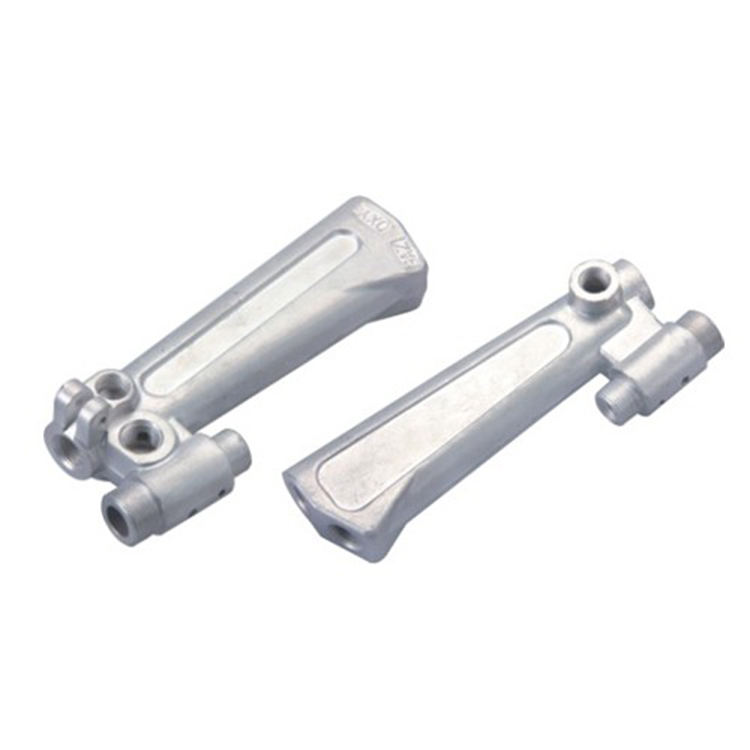
Aluminum Parts Hot Forging Parts
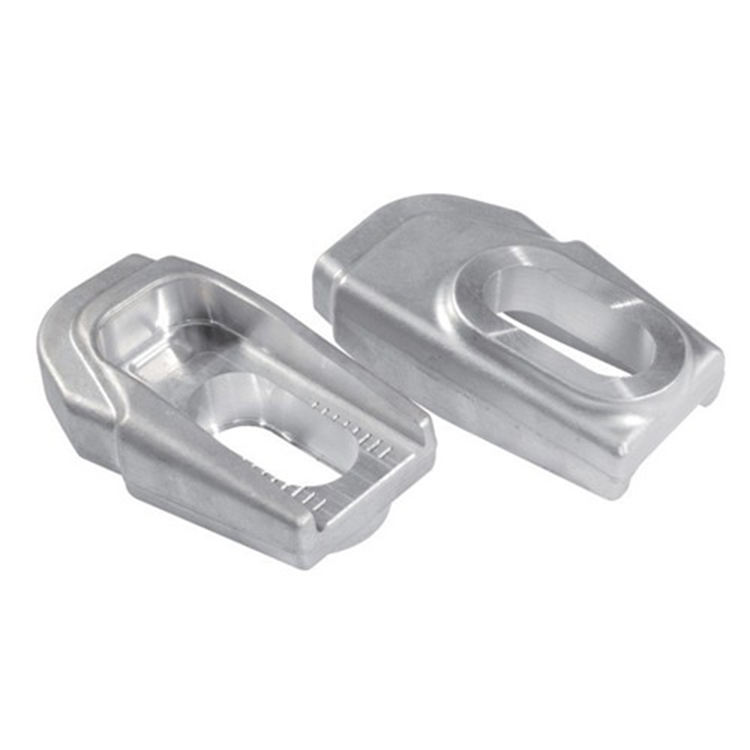
Ningbo Youlin Trading Co., Ltd. is a large-scale aluminum parts hot forging parts manufacturer and supplier in China. We have been specialized in All-In-One Solutions for Precision CNC Machining, CNC turning, CNC Milling, Metal Stamping, Deep Drawing, Forging, Casting, Investment Casting, Die Casting, Aluminum Extrusion, Plastic Injection, Tube Laser Cutting and Sheet Metal fabrication in a variety of industries for many years. Our products have a good price advantage and cover most of the European and American markets. We look forward to becoming your long-term partner in China.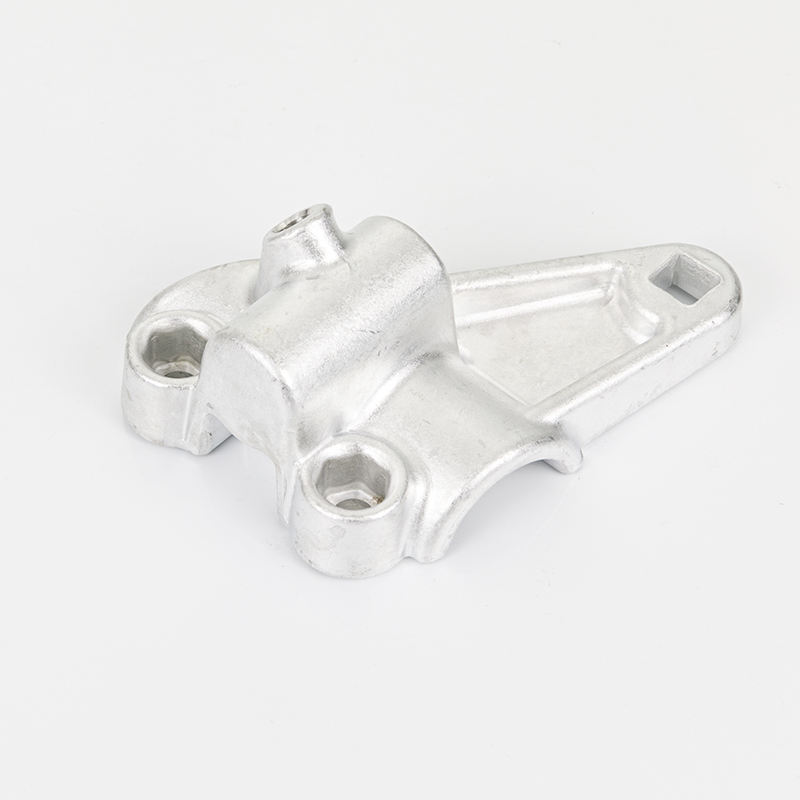
High End Forge Parts Aluminum Alloy Part
High end aluminum alloy forge parts are designed and manufactured to provide superior performance, strength, and durability. As the professional High End Forge Parts Aluminum Alloy Part manufacturer, And we will offer you the best after-sale service and timely delivery. We hope to establish friendly cooperative relationship with your company with high quality products, reasonable price, considerate service and create a better future hand in hand.
- Related Blog
- Reviews