- English
- Español
- Português
- русский
- Français
- 日本語
- Deutsch
- tiếng Việt
- Italiano
- Nederlands
- ภาษาไทย
- Polski
- 한국어
- Svenska
- magyar
- Malay
- বাংলা ভাষার
- Dansk
- Suomi
- हिन्दी
- Pilipino
- Türkçe
- Gaeilge
- العربية
- Indonesia
- Norsk
- تمل
- český
- ελληνικά
- український
- Javanese
- فارسی
- தமிழ்
- తెలుగు
- नेपाली
- Burmese
- български
- ລາວ
- Latine
- Қазақша
- Euskal
- Azərbaycan
- Slovenský jazyk
- Македонски
- Lietuvos
- Eesti Keel
- Română
- Slovenski
- मराठी
- Srpski језик

Brass Forged Components for Dental Instruments
When it comes to manufacturing reliable and precise dental instruments, the choice of material and forming process is paramount. Precision Brass Dental Equipment Parts are engineered to meet the exacting demands of modern dentistry, offering superior performance where accuracy is non-negotiable. The forging process is central to achieving the necessary strength and durability for these critical components. Our Dental Equipment Brass Forgings undergo a controlled deformation process that aligns the grain structure of the brass, resulting in enhanced mechanical properties and resistance to wear. This makes them ideal for repetitive-stress applications found in dental handpieces, scalers, and other high-precision tools. Surgeons and dental technicians rely on Precision Brass Forged Dental Tools for their consistent quality, excellent machinability for fine details, and inherent corrosion resistance. Whether you are designing next-generation diagnostic equipment or sourcing components for routine maintenance kits, our specialized Brass Forged Parts for Dental Devices provide a robust foundation, ensuring longevity and dependable operation in every clinical setting.
The exceptional performance of our "Brass Forged Components for Dental Instruments" stems from a rigorous focus on material science and advanced manufacturing tolerances. We utilize high-grade brass alloys, primarily C36000 (Free-Cutting Brass) and C46400 (Naval Brass), selected for their optimal balance of strength, corrosion resistance, and antimicrobial properties. Each component is forged under precise temperature and pressure controls to achieve a dense, non-porous structure essential for sterilization and long-term use in biomedical environments. The following table details the core specifications and advantages of our standard forged brass components:
| Parameter | Specification / Value | Key Benefit for Dental Applications |
|---|---|---|
| Primary Alloy | C36000, C46400 | Excellent machinability & superior resistance to saline and disinfectant corrosion. |
| Tensile Strength | 58,000 - 65,000 psi (min) | Withstands high torque and mechanical stress in handpieces and drivers. |
| Forging Process | Closed-Die Hot Forging | Produces near-net-shape parts with superior grain flow and minimal material waste. |
| Surface Finish (as-forged) | Ra ≤ 3.2 μm | Reduces microbial adhesion and facilitates easier cleaning post-procedure. |
| Dimensional Tolerance | ±0.05mm to ±0.15mm | Ensures precise assembly and seamless function in complex instrument mechanisms. |
| Post-Forging Treatment | Stress Relieving & Precision Machining | Eliminates internal stresses and achieves final critical dimensions for OEMS. |
Our manufacturing capabilities support a wide range of component types commonly required in dental instrument production:
- Handpiece Bodies and Housings: Forged for structural integrity to house high-speed turbines and motors.
- Scaler and Curette Tips: Dense forged brass provides the necessary mass and vibration dampening.
- Connector Ferrules and Sleeves: Precision-forged to ensure leak-proof connections for air and water lines.
- Instrument Handles and Knobs: Ergonomically designed forgings offering durability and a premium tactile feel.
- Internal Gearing and Drive Components: Withstand repetitive motion without deformation or premature wear.
Quality assurance is integrated at every stage, from raw material certification to final inspection. Each batch of "Brass Forged Components for Dental Instruments" is traceable and undergoes stringent testing for mechanical properties, dimensional accuracy, and surface integrity to comply with international medical device standards.
Related Products



Hot Products
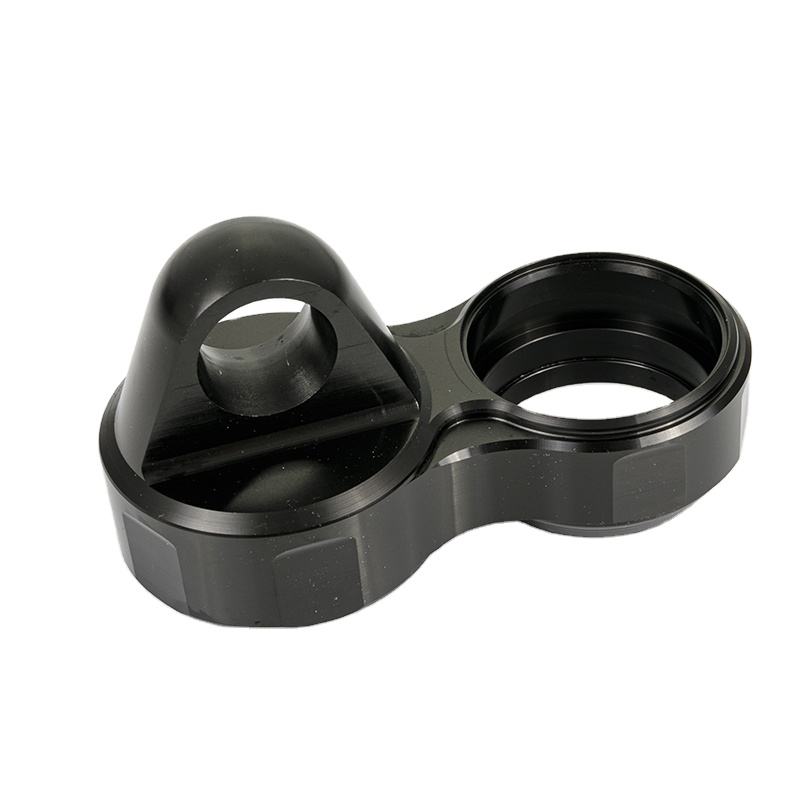
Automotive Shock Absorber Parts
At Youlin, we offer high quality, custom precision Youlin® automotive shock absorber parts. We start with a custom design for your project, accounting for even the smallest features and tightest tolerances, and build stamping dies in-house. We will ensure that your part will be manufactured to your exact specifications and to the highest quality standards.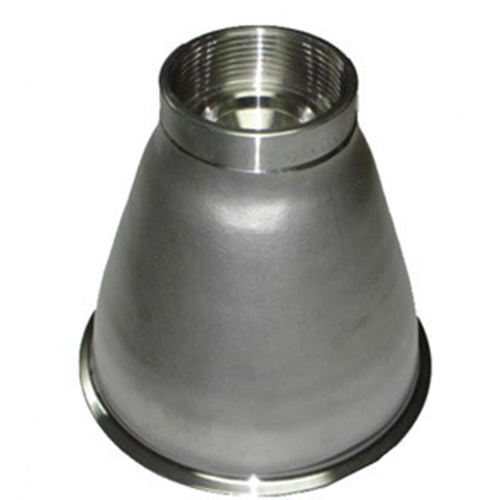
Carbon Steel Eccentric Pipe Reducer Fabrication
Ningbo Youlin Trading Co., Ltd. is a large-scale carbon steel eccentric pipe reducer fabrication manufacturer and supplier in China. Customized OEM Youlin® carbon steel eccentric pipe reducer fabrication Manufacturers. Youlin excels in supplying only the finest quality made metal forging components for your application, at ultra-competitive prices. Our highly qualified technical team will find a way to reduce your costs by 20% or more, with the added convenience of a one-stop-shop for all your metal part needs. We specialize in high-volume production runs, with short lead times and fixed order pricing.
Aluminium Alloy Sand Casting Parts
Ningbo Youlin Trading Co., Ltd. is a professional Aluminium Alloy Sand Casting Parts manufacturer and supplier in China. Youlin® Aluminium Alloy Sand Casting Parts are widely used create precise, high-quality parts using computer-controlled machines.. Almost every plastic item around you was manufactured using injection molding. This is because the technology can produce identical parts at very high volumes at a very low cost per part.
Forged Brass Multiple Valve Components
Youlin is a premier provider of Forged Brass Multiple Valve Components. One of our core service offerings is Youlin® Forged Brass Multiple Valve Components . Our specialty focus on progressive metal stampings utilizes a combination of high-speed presses and progressive dies in combination with 4 slide & multi-slide presses to provide the most cost effective solution for high volume manufacturing. We design & build specialized manufacturing cells utilizing automation when appropriate.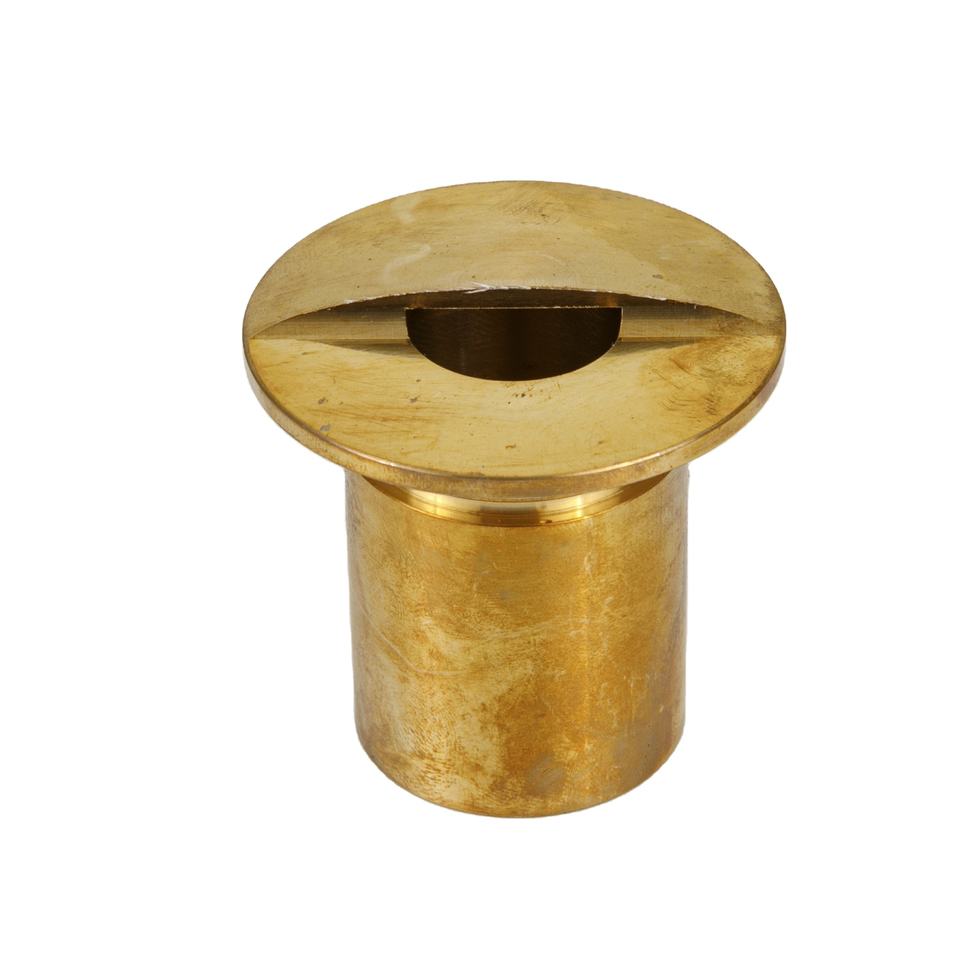
CNC Lathe Turning Milling Machining
As the professional CNC Lathe Turning Milling Machining manufacture, we would like to provide you CNC Lathe Turning Milling Machining. And we will offer you the best after-sale service and timely delivery. We hope to establish friendly cooperative relationship with your company with high quality products, reasonable price, considerate service and create a better future hand in hand.
Die Stamping Deep Drawn Copper Parts Of Sensor Probe
Ningbo Youlin Trading Co., Ltd. is a professional Die Stamping Deep Drawn Copper Parts Of Sensor Probe manufacturer and supplier in China. All our industries served are agricultural machinery, automotive industry, construction machinery, lifting industry, oilfield industry, etc. Besides forging, we could also supply other value added services for finished products. We have produced Die Stamping Deep Drawn Copper Parts Of Sensor Probe for many years, looking forward to reaching a long-term cooperative relationship with you.
- Related Blog
- Reviews