- English
- Español
- Português
- русский
- Français
- 日本語
- Deutsch
- tiếng Việt
- Italiano
- Nederlands
- ภาษาไทย
- Polski
- 한국어
- Svenska
- magyar
- Malay
- বাংলা ভাষার
- Dansk
- Suomi
- हिन्दी
- Pilipino
- Türkçe
- Gaeilge
- العربية
- Indonesia
- Norsk
- تمل
- český
- ελληνικά
- український
- Javanese
- فارسی
- தமிழ்
- తెలుగు
- नेपाली
- Burmese
- български
- ລາວ
- Latine
- Қазақша
- Euskal
- Azərbaycan
- Slovenský jazyk
- Македонски
- Lietuvos
- Eesti Keel
- Română
- Slovenski
- मराठी
- Srpski језик

Complete Guide to Stainless Steel Window Hinges: Selection, Installation, and Maintenance
If windows are the "eyes" of a building, then hinges are the "joints" that allow those eyes to open and close smoothly. This unassuming hardware component determines how long your windows will last, how well they function, and even how safe they are. This guide provides a comprehensive overview of stainless steel window hinges—covering their applications, how to choose the right type, how to install them correctly, and how to maintain them for long-term performance.
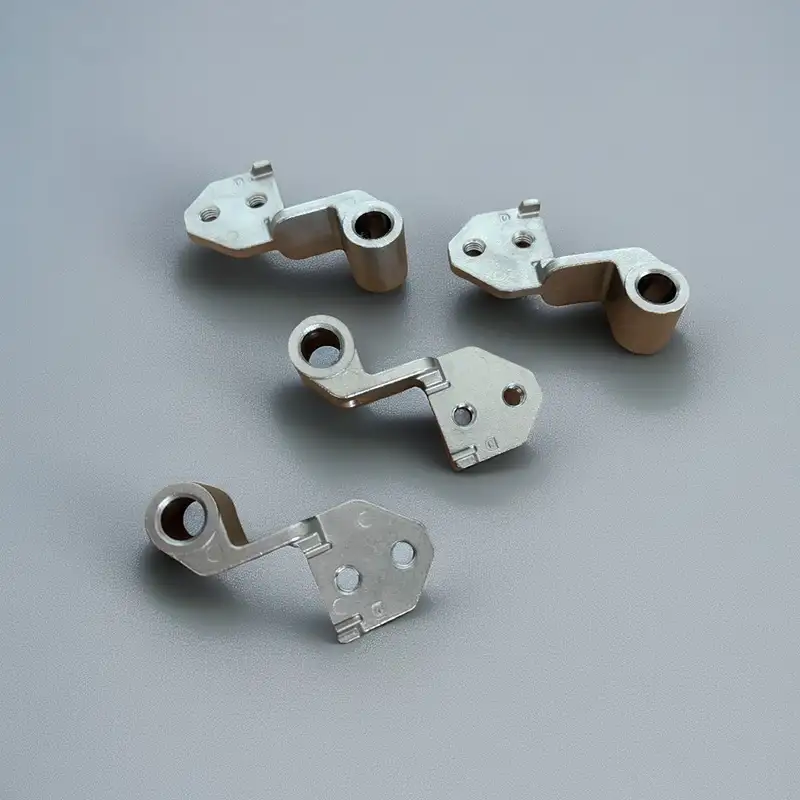
Core Applications: Where Are Stainless Steel Hinges Used?
Stainless steel window hinges serve two primary functions: connecting the window sash to the frame, enabling smooth opening and closing, and supporting the weight of the sash while maintaining its position. They are particularly critical in the following scenarios:
| Application Scenario | Why Stainless Steel Hinges Are Preferred |
|---|---|
| Coastal / High-Salt Mist Regions | Ordinary hinges corrode and break easily; 304/316 stainless steel offers superior corrosion resistance |
| High-Rise and Skyscraper Buildings | Demanding wind pressure resistance; stainless steel provides high strength to prevent sash detachment |
| Kitchens, Bathrooms, and Humid Environments | Prolonged exposure to moisture; stainless steel resists rust far better than iron-based alternatives |
| Heavy or Oversized Window Sashes | Higher load-bearing capacity prevents sash sagging and deformation |
| Frequently Opened Windows | Excellent wear resistance; withstands tens of thousands of open-close cycles, ensuring long service life |
Selection Guide: How to Choose the Right Stainless Steel Hinge?
Material Selection: 304 vs. 201—The Difference Goes Beyond Price
When selecting stainless steel hinges, the grade of material is the first and most important consideration. The two most common types on the market are SUS304 and SUS201. Although both are called "stainless steel," their performance and lifespan differ significantly.
| Comparison Dimension | SUS304 Stainless Steel Hinge | SUS201 Stainless Steel Hinge |
|---|---|---|
| Core Composition | ~18% Chromium + 8% Nickel | Low Nickel, High Manganese |
| Corrosion Resistance | Excellent – suitable for outdoor, coastal, and harsh environments | Moderate – prone to rust in humid or coastal conditions |
| Mechanical Strength | High – stable load-bearing and fatigue performance | Adequate – higher risk under long-term heavy loads |
| Service Life | Long – lower total lifecycle cost | Medium – may require earlier replacement |
| Cost | Higher | Lower |
| Recommended Application | Exterior walls, high-rises, humid areas, heavy sashes | Interior windows, budget-conscious projects, lightweight sashes |
Conclusion: For exterior walls, high floors, or humid environments, prioritize 304 stainless steel hinges. The slightly higher upfront investment pays off in long-term safety and peace of mind.
Determining Specifications: What Length and Thickness Are Needed?
Hinge specifications must match the window type and sash weight:
-
Length Selection: For friction hinges (sliding stays), the length should generally be two-thirds of the window width; for lighter windows, one-half may suffice.
-
Thickness Requirement: For heavier sashes, choose hinges with a thickness of at least 2.5mm.
-
Load Capacity Calculation: The selected hinge's load rating should be ≥ the total sash weight (including glass) × a safety factor of 1.3.
Identifying the Correct Type: Which Hinge Does Your Window Need?
Based on how the door/panel aligns with the cabinet frame, hinges are classified as full overlay, half overlay, and inset (primarily used for cabinet doors). For windows, the most common type is the friction hinge (sliding stay), which comes in top-hung and side-hung configurations. Always confirm the correct type before purchase.
Installation Guide: How to Ensure a Secure and Durable Fit?
Correct installation is essential for the hinge to perform as designed. Follow these key guidelines:
-
Verify Compatibility: Before installation, confirm that the hinge matches the window frame and sash, and check that the groove dimensions are compatible.
-
Select the Right Screws: Use countersunk screws where recessed holes are present; use pan-head screws in slide tracks or non-recessed areas. Every screw hole must be filled—do not skip any, as this compromises load capacity.
-
Ensure Tight Connections: The hinge must be firmly and securely attached to both the sash and the frame, with no looseness.
-
Special Reinforcement: When the profile thickness is less than 1.4mm, it is recommended to add a steel backing plate beneath the aluminum profile and secure it with pan-head screws for added strength.
-
Maintain Vertical Alignment: All hinge axes on the same window must lie on the same vertical line to prevent sash distortion.
Maintenance Guide: How to Extend the Life of Your Hinges?
Even the best hinges require regular care. Routine maintenance can significantly prolong their service life:
-
Regular Cleaning: Remove sand, cement debris, dust, and other hard particles from the hinge track to prevent sticking and operational drag.
-
Periodic Lubrication: Apply a small amount of lubricating oil or silicone-based lubricant to the moving parts of the hinge every six months or so to maintain smooth operation and reduce wear.
-
Inspection and Replacement: Periodically check for signs of deformation, rust, or loosening. Address any issues promptly—replace the hinge if damage is found.