- English
- Español
- Português
- русский
- Français
- 日本語
- Deutsch
- tiếng Việt
- Italiano
- Nederlands
- ภาษาไทย
- Polski
- 한국어
- Svenska
- magyar
- Malay
- বাংলা ভাষার
- Dansk
- Suomi
- हिन्दी
- Pilipino
- Türkçe
- Gaeilge
- العربية
- Indonesia
- Norsk
- تمل
- český
- ελληνικά
- український
- Javanese
- فارسی
- தமிழ்
- తెలుగు
- नेपाली
- Burmese
- български
- ລາວ
- Latine
- Қазақша
- Euskal
- Azərbaycan
- Slovenský jazyk
- Македонски
- Lietuvos
- Eesti Keel
- Română
- Slovenski
- मराठी
- Srpski језик

Products


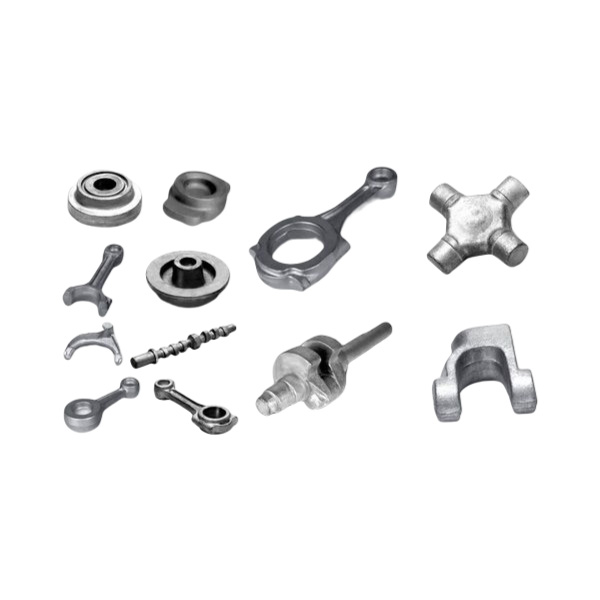
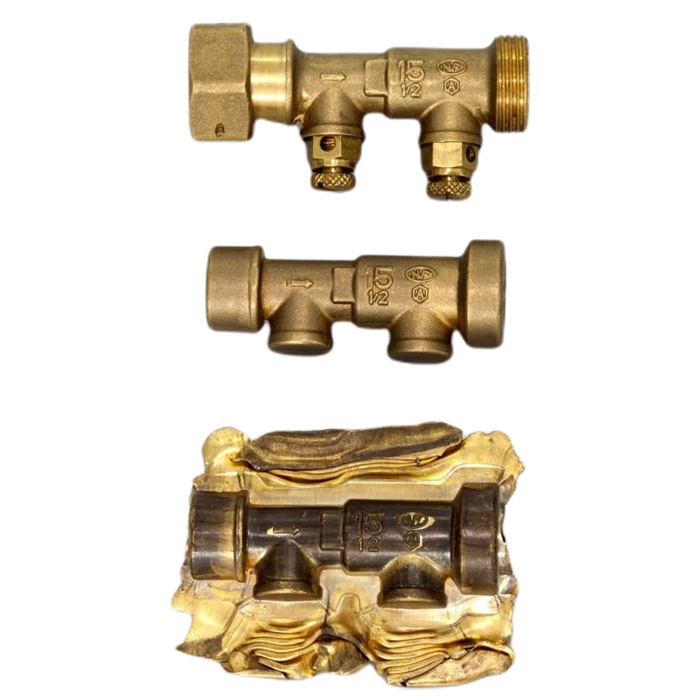
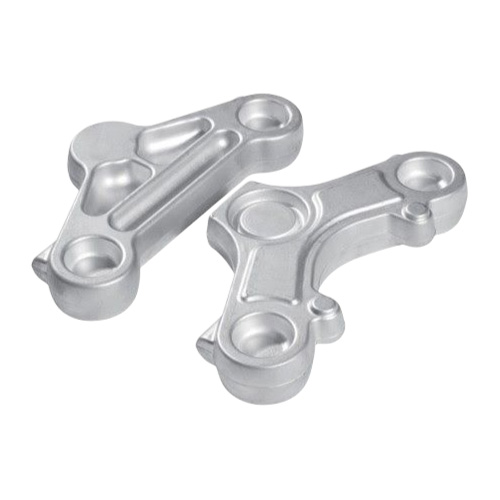
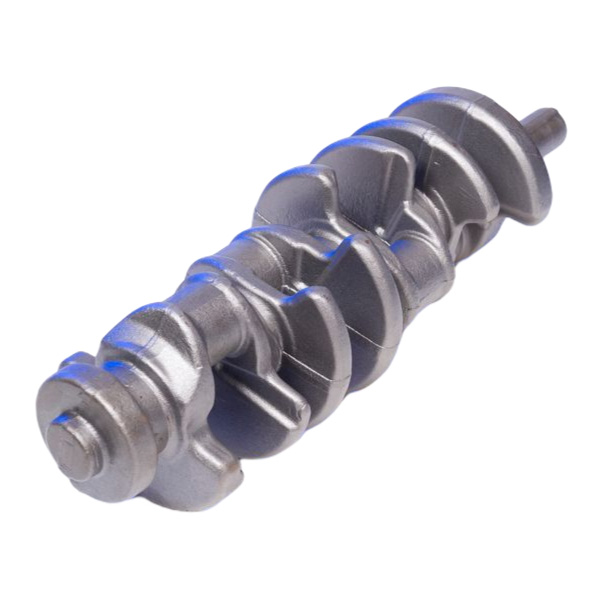
Hot Forging Closed Die Forging Open Forging Drop Forging
Youlin is a Youlin® die forging manufacturer and exporter in China. With forging facilities ranging from 300t-2500t, we are capable to produce closed die forged components from 0.2kg-60kg. There is no material limitation if you would like to source steel forgings, aluminum forgings and brass forgings. We can supply all the metal forgings you like.
Send Inquiry
Product Description
We also supply merchandise sourcing and flight consolidation companies. We now have our very own manufacturing facility and sourcing business. We could present you with almost every kind of product relevant to our solution array for Forging Parts/Forging Big Parts/Die Forging, Only for accomplish the good-quality product to meet customer's demand, all of our products have been strictly inspected before shipment.
Forging Part, Die Forging Part, Ring Rolling, We have constructed strong and long co-operation relationship with an enormous quantity of companies within this business overseas. Immediate and specialist after-sale service supplied by our consultant group has happy our buyers. Detailed Info and parameters from the merchandise will probably be sent to you for any thorough acknowledge. Free samples may be delivered and company check out to our corporation. n Portugal for negotiation is constantly welcome. Hope to get inquiries type you and construct a long-term co-operation partnership.Our primary intention should be to offer our clientele a serious and responsible enterprise relationship, delivering personalized attention to all of them for Forging Die Manufacturing Process Flat Die Forging, We warmly welcome all intrigued customers to speak to us for additional information and facts.
Forging Die Manufacturing Process Flat Die Forging Closed Die Forging, Mould Forging, Forging Use Mould, We maintain long-term efforts and self-criticism, which helps us and improvement constantly. We strive to improve customer efficiency to save costs for customers. We do our best to improve the quality of product. We'll not live up to the historic opportunity of the times.We often stick to the basic principle "Quality 1st, Prestige Supreme". We are fully committed to giving our shoppers with competitively priced excellent products and solutions, prompt delivery and skilled provider for Die Forging Parts/ Close Die Forging Parts, To significantly improve our assistance quality, our company imports a large number of international advanced devices. Welcome clients from your home and abroad to simply call and inquire!
Die Forging Parts, Die Forging Part, Close Die Forging, Ought to any of these products be of curiosity to you, make sure you let us know. We will be satisfied to provide you a quotation on receipt of one's in depth specifications. We have now our personalized experienced R&D enginners to meet any of one's requriements, We appear forward to receiving your enquires soon'and hope to have the opportunity to work together with you in the future. Welcome to check out our company.Our team through qualified training. Skilled professional knowledge, powerful sense of support, to satisfy the support desires of consumers for Die Forging Alloy Parts, For even more information and facts, make sure you don't be reluctant to contact us. All inquiries from you might be highly appreciated.
Die Forging Alloy Parts OEM Forging Parts, Hot Forging Parts, Alloy Steel Forging, With the best technological support, we have now tailored our website for the best user experience and kept in mind your ease of shopping. we ensure that the best reaches you at your doorstep, in the shortest possible time and with the help of our efficient logistical partners i.e DHL and UPS. We promise quality, living by the motto of promising only what we can deliver.We believe that prolonged expression partnership is usually a result of high quality, benefit added assistance, rich encounter and personal contact for Customized Die Forging Parts, Welcome around the world consumers to speak to us for organization and long-term cooperation. We'll be your reputable partner and supplier of auto areas and accessories in China.
Customized Die Forging Part, Die Forging Part, Ring Rolling, We welcome an opportunity to do business with you and hope to have pleasure in attaching further details of our products and solutions. Excellent quality, competitive price, punctual delivery and dependable service can be guaranteed. For further inquires please do not hesitate to contact us.We emphasize advancement and introduce new products and solutions into the market each year for Open Die Forging Shafts, We look ahead to receiving your enquires quickly and hope to have the chance to get the job done together with you inside the future. Welcome to get a seem at our organization.
Open Die Forging Shafts Wholesale Open Die Forging, Ring Forging Suppliers, Open Die Forgings Manufacturers, As the world economic integration bringing challenges and opportunities to the xxx industry, our company , by carrying on our teamwork, quality first, innovation and mutual benefit, are confident enough to supply our clients sincerely with qualified merchandise, competitive price and great service, and to build a brighter future under the spirit of higher, faster, stronger with our friends together by carrying on our discipline.We're convinced that with joint initiatives, the business between us will bring us mutual benefits. We can easily guarantee you merchandise good quality and competitive rate for Hot Forging Closed Die Forging Open Forging Drop Forging, As an expert specialized within this field, we've been committed to solving any problem of high temperature protection for users.
Hot Forging Closed Die Forging, Mould Forging, Forging Use Mould, Due to our good goods and services, we've received good reputation and credibility from local and international customers. If you will need more information and are interested in any of our solutions, be sure to feel free to contact us. We look forward to becoming your supplier in the near future.
We retain improving upon and perfecting our items and repair. At the same time, we perform actively to do research and progress for ODM Factory China Hot Youlin® Hot Forging Closed Die Forging Open Forging Drop Forging, Any necessitates from you will be compensated with our greatest consideration!
ODM Factory China Youlin® Hot Forging Closed Die Forging Open Forging Drop Forging, Upon today, now we have customers from all over the world, including USA, Russia, Spain, Italy, Singapore, Malaysia, Thailand, Poland, Iran and Iraq. The mission of our company is to offer the highest quality solutions with best price. We are looking forward to doing business with you!
1.Definition of Hot Forging Closed Die Forging Open Forging Drop Forging
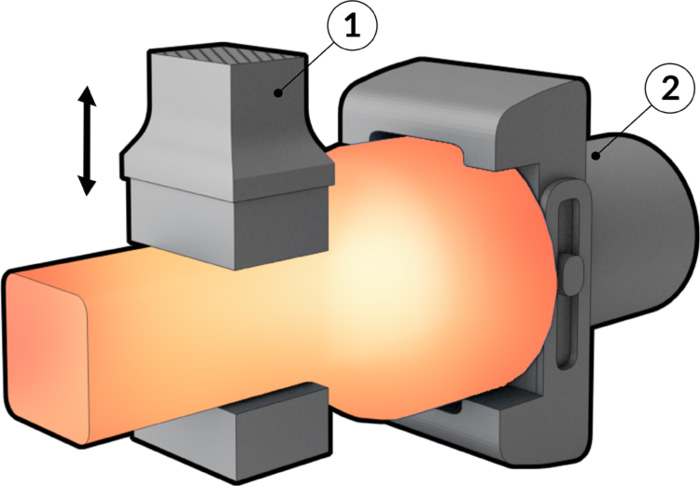 Youlin® Hot Forging Closed Die Forging Open Forging Drop Forging is the most common option for metal deformation, which has two popular processes:
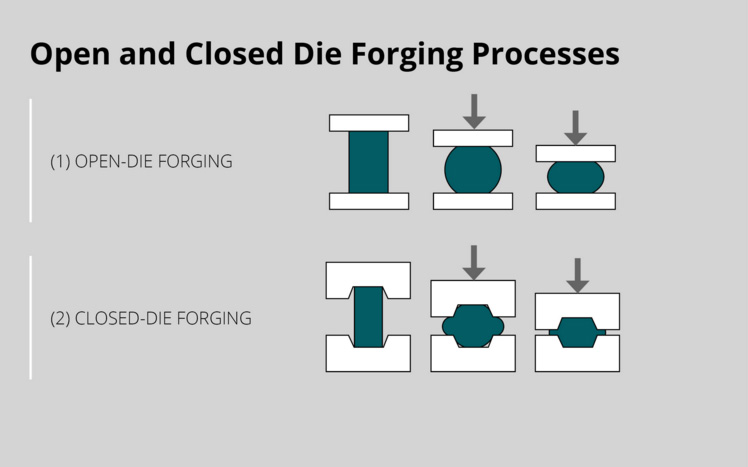
Open Hot Forging Closed Die Forging Open Forging Drop Forging, is also called free forging. In open Hot Forging Closed Die Forging Open Forging Drop Forging, the billet is placed between multiple dies that do not enclose the metal entirely. The dimensions will be changed by hammering and stamping the metal through a series of movement until the final dimensions are achieved. Open Hot Forging Closed Die Forging Open Forging Drop Forging is widely used for the products in small quantity that are simple, rather than complex, such as discs, rings, sleeves, cylinders and shafts. Another benefit of open Hot Forging Closed Die Forging Open Forging Drop Forging is that the fatigue resistance and strength of products will be improved. Besides, voids could be effectively reduced after open Hot Forging Closed Die Forging Open Forging Drop Forging.
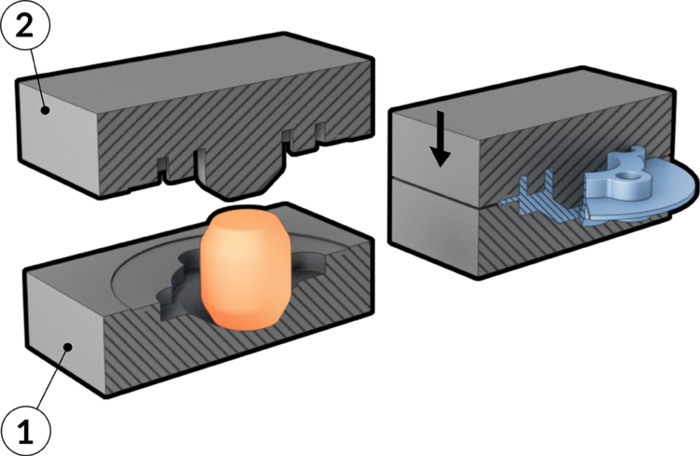 Closed Hot Forging Closed Die Forging Open Forging Drop Forging, is also referred to as impression Hot Forging Closed Die Forging Open Forging Drop Forging. It utilizes high pressure to compress the metal piece to fill an enclosed die impression for required shapes. For some special shapes, second forging operation is required to reach final shapes and dimensions. The type of material, tightness of tolerances, and need for heat treatment can determine the cost of a closed die forged part.
2.Differences between Open Hot Forging Closed Die Forging Open Forging Drop Forging and Closed Hot Forging Closed Die Forging Open Forging Drop Forging
The technique of both open Youlin® Hot Forging Closed Die Forging Open Forging Drop Forging and closed Hot Forging Closed Die Forging Open Forging Drop Forging is different. In general, for closed Hot Forging Closed Die Forging Open Forging Drop Forging, the molding dies are first precision machined and cost is high. The metal bars are then placed on between upper and lower dies and forged to any shapes needed. After closed Hot Forging Closed Die Forging Open Forging Drop Forging very less or no machining will be operated due to its high accuracy throughout the process. So closed Hot Forging Closed Die Forging Open Forging Drop Forging is also a net shape or near net shape process.
For open Hot Forging Closed Die Forging Open Forging Drop Forging, enormous compressive forces are imposed by the continuous strike of a forging hammer to deform the metal billets. Unlike closed Hot Forging Closed Die Forging Open Forging Drop Forging, dies of open Hot Forging Closed Die Forging Open Forging Drop Forging is very simple. And secondly machining operation is always carried out.
3.Advantages & Disadvantages of Open Hot Forging Closed Die Forging Open Forging Drop Forging and Closed Hot Forging Closed Die Forging Open Forging Drop Forging
|
Open Hot Forging Closed Die Forging Open Forging Drop Forging |
Closed Hot Forging Closed Die Forging Open Forging Drop Forging |
|
Advantages |
|
|
Better fatigue resistance and improved microstructure |
Economic for large production runs. |
|
The internal grain structure formation increases the tightness and strength of the products. |
The internal grain structure formation increases the tightness and strength of the products. |
|
Increased strength and longer part life |
No material limitation |
|
Less material waste |
Better surface finish |
|
Reduced chance of voids |
Less or no machining required for its close tolerances |
|
Valuable cost savings |
Dimensions of tighter tolerances and net shapes can be achieved |
|
Disadvantages |
|
|
It is not capable of forming close tolerance and higher precision parts |
It is not very economical for short runs due to the high cost of die production |
|
Machining is often required to achieve desired dimensions |
Closed Hot Forging Closed Die Forging Open Forging Drop Forging presents a dangerous working environment |
1.Definition of Hot Forging Closed Die Forging Open Forging Drop Forging
Closed Hot Forging Closed Die Forging Open Forging Drop Forging and open die casting are the most common used forging methods for steel parts. Forging is popular because of its improved internal grain structure and can produce stronger and tougher products.
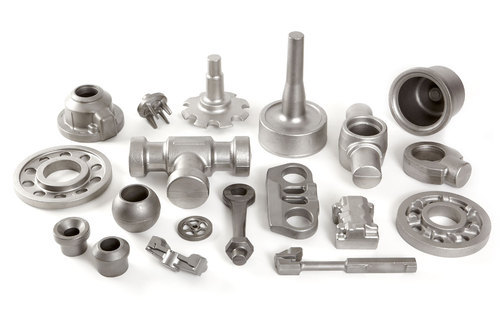 In Open Hot Forging Closed Die Forging Open Forging Drop Forging, a rough or precision machining is normally further required after the open Hot Forging Closed Die Forging Open Forging Drop Forging process as imprecise dimensions are achieved by hammering. Thus, open Hot Forging Closed Die Forging Open Forging Drop Forging is more suitable for large parts in a number of tons. Generally, the products in forging method include forged long shafts, forged rollers, and forged cylinders, which are mostly used for the application of railway and aircraft industry.
However, closed Hot Forging Closed Die Forging Open Forging Drop Forging is preferred for small critical parts with safety consideration because of its high precision. It is highly used to produce small products like forged fittings, forged lifting & rigging hardware, forged automotive parts, etc. Oilfield, automotive, forestry & agriculture, and mining are some of the industries that rely on closed Hot Forging Closed Die Forging Open Forging Drop Forging technique.
5. FAQ
Which is the disadvantage of open Hot Forging Closed Die Forging Open Forging Drop Forging?
A: Open-Hot Forging Closed Die Forging Open Forging Drop Forging is not recommended for complex shapes, and often requires precision machining to complete the process since the dimensions produced by hammering during the open die process can be imprecise.
Q: What can be made from open Hot Forging Closed Die Forging Open Forging Drop Forging?
A: The process of open Hot Forging Closed Die Forging Open Forging Drop Forging typically produces round, rectangular, square, and hexagonal bars, beams, as well as other basic shapes. Common products formed include hubs, spindles, step shafts, mandrel, metal shells, pierced blanks, and simple pancakes forgings.
Q: What are the limitations of open Hot Forging Closed Die Forging Open Forging Drop Forging?
A: ▷ Not suitable for forming intricate, precision parts or other close-tolerance applications.
▷ Machining is often required to complete open-Hot Forging Closed Die Forging Open Forging Drop Forgings.
▷ Process doesn't always produce consistent results or desired features.
Hot Tags: Closed Die Forging, Mould Forging, Forging Use Mould
Send Inquiry
Please Feel free to give your inquiry in the form below. We will reply you in 24 hours.