- English
- Español
- Português
- русский
- Français
- 日本語
- Deutsch
- tiếng Việt
- Italiano
- Nederlands
- ภาษาไทย
- Polski
- 한국어
- Svenska
- magyar
- Malay
- বাংলা ভাষার
- Dansk
- Suomi
- हिन्दी
- Pilipino
- Türkçe
- Gaeilge
- العربية
- Indonesia
- Norsk
- تمل
- český
- ελληνικά
- український
- Javanese
- فارسی
- தமிழ்
- తెలుగు
- नेपाली
- Burmese
- български
- ລາວ
- Latine
- Қазақша
- Euskal
- Azərbaycan
- Slovenský jazyk
- Македонски
- Lietuvos
- Eesti Keel
- Română
- Slovenski
- मराठी
- Srpski језик

Why Is Stamping Die Cable Lug Current Terminal Essential for Modern Electrical Systems
The Stamping Die Cable Lug Current Terminal is a crucial component in electrical systems, ensuring reliable connectivity, enhanced performance, and safety. This article explores its manufacturing process, advantages, applications, and best practices, emphasizing the expertise of Youlin in delivering high-quality solutions for industrial and residential uses. Learn how this component optimizes current transmission, reduces energy loss, and ensures long-term durability.
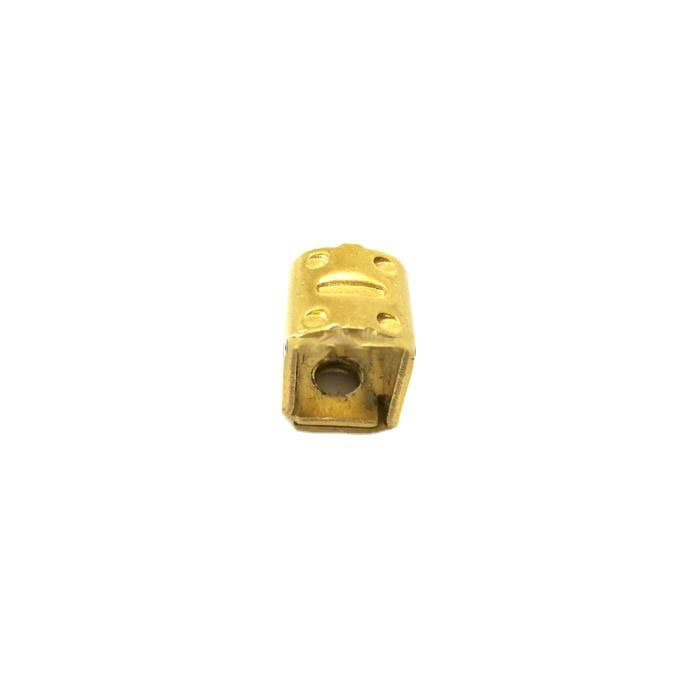
Table of Contents
- Definition of Stamping Die Cable Lug Current Terminal
- Manufacturing Process of Cable Lug Terminals
- Advantages of Using Stamping Die Cable Lugs
- Applications in Electrical Systems
- How to Select the Right Cable Lug Terminal
- Comparison Table of Cable Lug Types
- Installation Best Practices
- Frequently Asked Questions (FAQ)
- Conclusion & Contact
Definition of Stamping Die Cable Lug Current Terminal
A Stamping Die Cable Lug Current Terminal is a precision-engineered electrical connector used to terminate cables and ensure a secure connection to electrical devices, busbars, or other terminals. Stamping die technology ensures consistency in shape, size, and conductivity, reducing electrical resistance and preventing overheating. Youlin specializes in producing high-precision stamping die cable lugs suitable for various voltage and current ratings.
Manufacturing Process of Cable Lug Terminals
The manufacturing process of a stamping die cable lug involves several key steps:
- Material Selection: High-conductivity metals such as copper or aluminum are chosen.
- Stamping: The metal is stamped into the desired terminal shape using precision dies.
- Annealing: Terminals are heat-treated to enhance ductility and conductivity.
- Plating: Surface plating with tin, nickel, or silver is done for corrosion resistance.
- Inspection: Each terminal undergoes quality checks for dimensions, conductivity, and surface finish.
Youlin uses advanced stamping dies to ensure uniform quality and high production efficiency, minimizing defects.
Advantages of Using Stamping Die Cable Lugs
- High Electrical Conductivity: Optimized metal structure reduces energy loss.
- Durability: Resistant to mechanical stress and corrosion.
- Precision Fit: Ensures secure and reliable cable connections.
- Scalability: Suitable for small-scale wiring or large industrial installations.
- Cost-Effective: Efficient production reduces manufacturing costs.
Applications in Electrical Systems
Stamping die cable lug terminals are widely used in:
- Power distribution panels and switchgear
- Industrial machinery and automation equipment
- Renewable energy systems such as solar panels and wind turbines
- Electric vehicles and battery management systems
- Residential and commercial wiring solutions
How to Select the Right Cable Lug Terminal
Selecting the correct stamping die cable lug current terminal depends on several factors:
- Current rating and voltage requirements
- Cable size and material compatibility
- Environmental conditions (temperature, humidity, corrosion exposure)
- Compliance with international standards such as IEC or UL
- Manufacturer quality assurance – trust Youlin for certified products
Comparison Table of Cable Lug Types
| Type | Material | Current Rating (A) | Application | Advantages |
|---|---|---|---|---|
| Copper Stamped Lug | Copper | 10-500 | Industrial & Residential | High conductivity, corrosion resistant |
| Aluminum Stamped Lug | Aluminum | 50-400 | Power Distribution | Lightweight, cost-effective |
| Tinned Copper Lug | Copper + Tin Coating | 10-600 | Marine & Outdoor | Excellent corrosion resistance |
| Insulated Cable Lug | Copper/Aluminum + PVC | 5-300 | Electrical Panels & Machinery | Safety and insulation protection |
Installation Best Practices
- Strip the cable to the recommended length for full contact.
- Use a calibrated crimping tool to avoid damage.
- Check the connection for tightness and continuity.
- Apply insulation or heat-shrink tubing if necessary.
- Regularly inspect for wear or corrosion in critical systems.
Frequently Asked Questions (FAQ)
- Q1: What is the main advantage of a stamping die cable lug?
- A: It ensures high precision, excellent conductivity, and consistent quality across large production volumes.
- Q2: Can stamping die cable lugs be used outdoors?
- A: Yes, especially those with corrosion-resistant plating like tin or nickel.
- Q3: How do I choose between copper and aluminum lugs?
- A: Copper lugs offer better conductivity, while aluminum lugs are lightweight and cost-effective. Selection depends on application requirements.
- Q4: Does Youlin provide custom cable lug solutions?
- A: Yes, Youlin offers customized stamping die cable lugs based on size, material, and current specifications.
- Q5: How often should I inspect cable lug terminals?
- A: Regular inspections are recommended annually or whenever there is a change in load conditions.
Conclusion & Contact
The Stamping Die Cable Lug Current Terminal is indispensable in ensuring safe, efficient, and reliable electrical connections. By choosing high-quality products from Youlin, businesses and homeowners alike can benefit from enhanced conductivity, durability, and performance. For tailored solutions or bulk orders, please contact us today to learn how we can meet your specific electrical connection needs.