- English
- Español
- Português
- русский
- Français
- 日本語
- Deutsch
- tiếng Việt
- Italiano
- Nederlands
- ภาษาไทย
- Polski
- 한국어
- Svenska
- magyar
- Malay
- বাংলা ভাষার
- Dansk
- Suomi
- हिन्दी
- Pilipino
- Türkçe
- Gaeilge
- العربية
- Indonesia
- Norsk
- تمل
- český
- ελληνικά
- український
- Javanese
- فارسی
- தமிழ்
- తెలుగు
- नेपाली
- Burmese
- български
- ລາວ
- Latine
- Қазақша
- Euskal
- Azərbaycan
- Slovenský jazyk
- Македонски
- Lietuvos
- Eesti Keel
- Română
- Slovenski
- मराठी
- Srpski језик

What Are Current Terminal Connectors and Why Are They Crucial for Electrical Systems
Article Summary: Current terminal connectors are essential components in electrical systems, enabling secure and efficient connections between wires, cables, and terminals. This blog will delve into the importance, types, applications, and key considerations when choosing current terminal connectors. We will also provide detailed insights into their features, helping you make an informed decision when sourcing these products for your electrical needs.
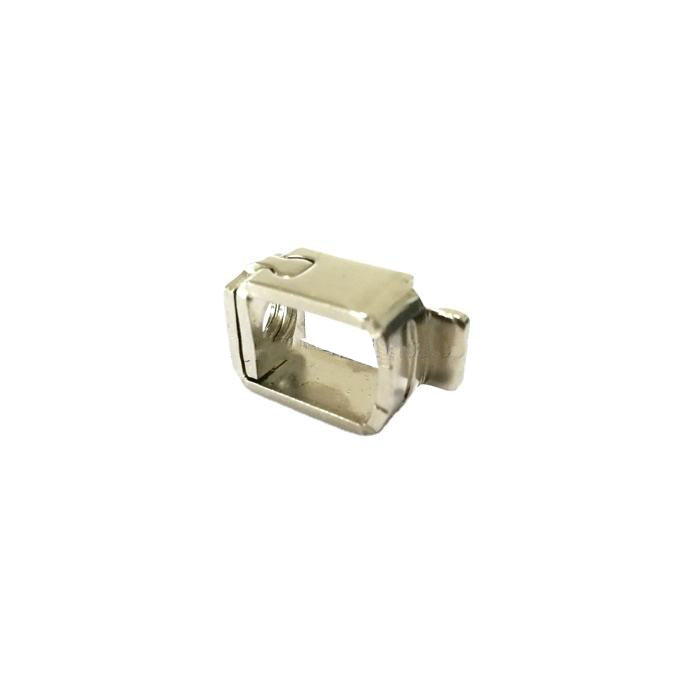
Table of Contents
- Introduction
- What Are Current Terminal Connectors?
- Types of Current Terminal Connectors
- Applications of Current Terminal Connectors
- How to Choose the Right Current Terminal Connector
- FAQ
Introduction
In electrical systems, the integrity of the connections plays a pivotal role in ensuring the overall safety and efficiency of the system. Current terminal connectors are one of the key components used to achieve secure, reliable, and long-lasting connections between electrical devices. Whether you're working with industrial machinery, automotive applications, or home electrical systems, choosing the right terminal connectors is crucial for optimal performance.
What Are Current Terminal Connectors?
Current terminal connectors are mechanical devices used to establish electrical connections between cables or wires and electrical equipment or terminals. They ensure a safe and effective transfer of electrical current without loss or interference. These connectors are commonly made from materials like copper or aluminum, which have excellent electrical conductivity properties. The main function of current terminal connectors is to secure a stable and reliable path for electrical current, minimizing the risk of electrical faults or overheating.
Types of Current Terminal Connectors
There are several different types of current terminal connectors, each suited for specific applications and requirements. The most common types include:
- Ring Terminals: These connectors have a round hole that fits around a stud or screw to secure the wire in place.
- Spade Terminals: Spade connectors are designed with a flat, fork-like end that allows for quick and easy connections to a terminal block.
- Butt Connectors: These are used to join two cables together, providing a secure connection between them.
- Blade Terminals: These are commonly used in automotive or electronic applications and are designed for quick connections and disconnections.
Applications of Current Terminal Connectors
Current terminal connectors are used across a wide variety of industries and applications. Some of the most common uses include:
- Industrial Applications: These connectors are used in manufacturing plants, power stations, and other heavy-duty electrical setups.
- Automotive: They are widely used in vehicles to connect batteries, sensors, and other electrical components.
- Household Electrical Systems: They are used in home wiring and power distribution systems.
- Renewable Energy: Solar panel systems and wind turbines also require high-quality terminal connectors for efficient energy transfer.
How to Choose the Right Current Terminal Connector
When selecting the right current terminal connector, several factors need to be considered to ensure optimal performance:
| Consideration | Description |
|---|---|
| Material | Choose connectors made from materials with good electrical conductivity, such as copper or aluminum. |
| Size | Ensure the terminal connector fits the size of the cable or wire you are using. |
| Application Type | Consider the specific use case to determine whether you need a more robust connector for industrial applications or a lightweight option for home systems. |
| Durability | Choose connectors that are corrosion-resistant, especially for outdoor or high-humidity environments. |
FAQ
Q1: What is the main purpose of current terminal connectors?
A: The main purpose of current terminal connectors is to securely connect electrical cables or wires to terminals, providing a stable and safe path for electrical current.
Q2: How do I know which type of terminal connector to use?
A: The choice of terminal connector depends on the application, wire size, and environmental conditions. For example, ring and spade connectors are suitable for automotive use, while butt connectors are ideal for joining wires.
Q3: Are current terminal connectors reusable?
A: Some types of terminal connectors can be reused if they are in good condition, while others may need to be replaced after a single use, especially if they are subject to wear and tear.
Q4: Can current terminal connectors be used in high-temperature environments?
A: Yes, but you should choose connectors designed for high-temperature applications. These connectors are usually made from heat-resistant materials that can withstand elevated temperatures.
Contact Us: If you are looking for high-quality current terminal connectors for your electrical needs, contact us today. At Youlin, we offer reliable and durable connectors designed to meet the most demanding electrical applications.